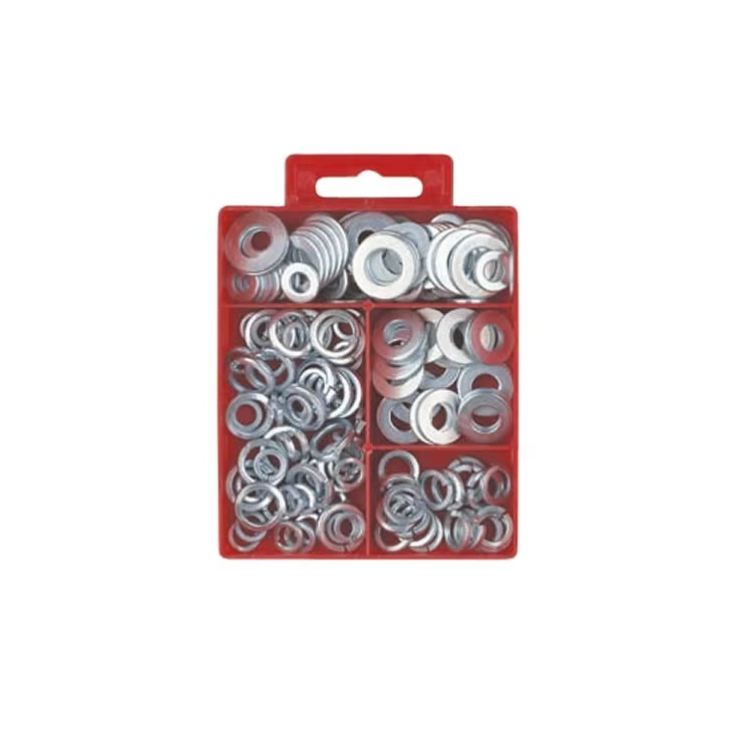
Why Spring Washers Still Show Up in Modern Vehicle Fastening A spring washer is not just a bent piece of metal tossed under a bolt. In automotive assembly, it works as a small elastic element that stores energy, spreads load, and helps a joint surviv...
VIEW MORE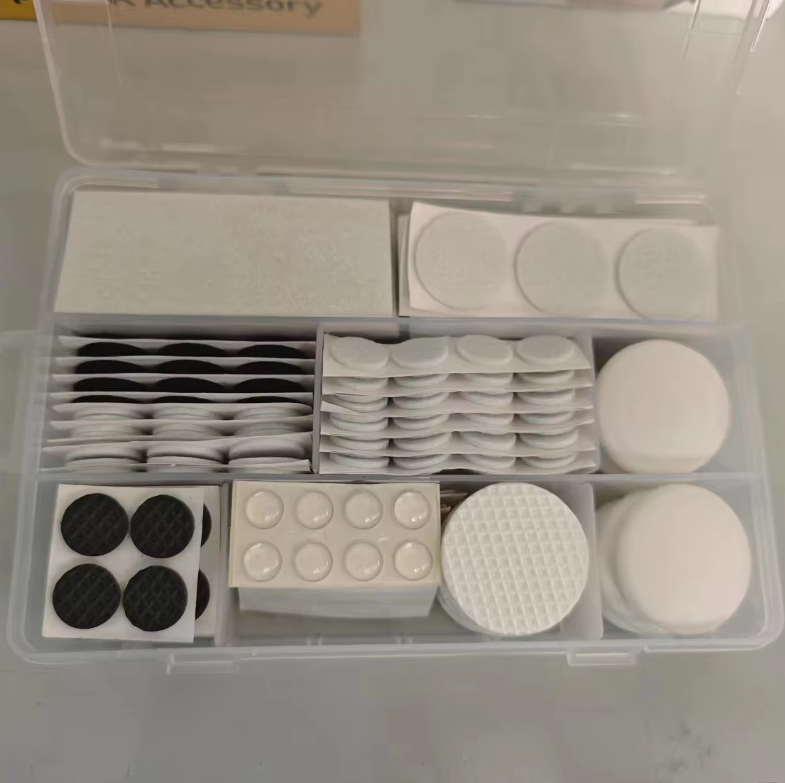
Why Felt Pads Still Deserve a Spot in Modern Furniture Hardware Self-adhesive felt pads are one of those small components that rarely get attention until a floor gets scratched or a cabinet door starts to rattle. The basic idea is simple: a dense f...
VIEW MORE
Why Spring Washers Are Not Just Lock Washers A spring washer is a formed metal part that stores elastic energy when compressed. That energy can hold preload as parts settle, absorb vibration, spread load, or bite into a mating surface. The common i...
VIEW MORE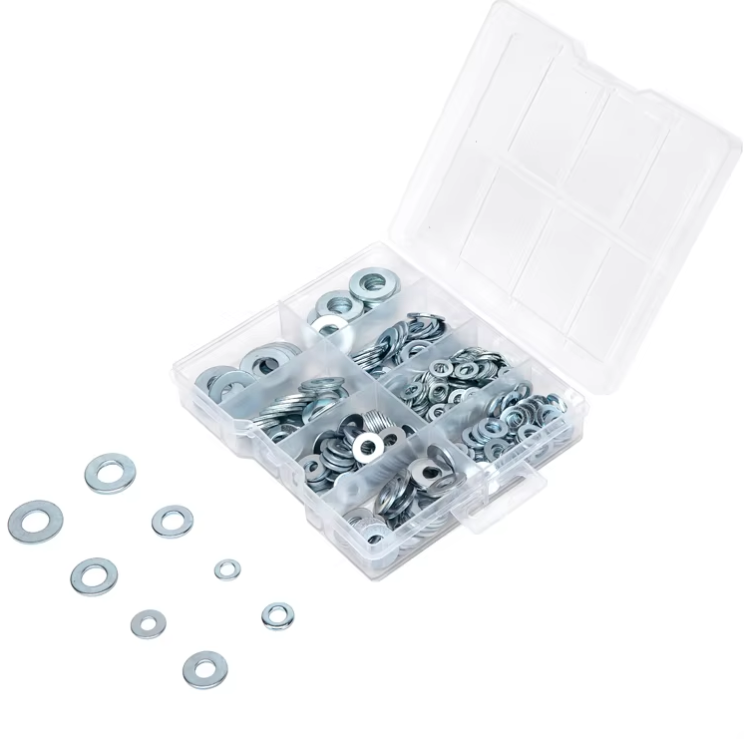
What a Spring Washer Actually Does Under Load A spring washer is not just a flat disc with a split cut in it. In a bolted joint, it acts like a compressed spring. Tightening the bolt closes the split slightly and stores elastic energy. That energy pu...
VIEW MORE
Why Tension Disappears from a Spring Washer A spring washer is not a cure-all for vibration. It is an elastic element that stores energy when compressed and releases it when the joint tries to separate. A split lock washer, often called a spring wa...
VIEW MORE
Why Stainless Steel Changes the Fastening Game A bolted joint rarely fails because the bolt snaps. More often, it loses clamp load. Vibration, thermal cycling, and creep let the joint relax. Once preload drops, parts move. A stainless steel spring ...
VIEW MORE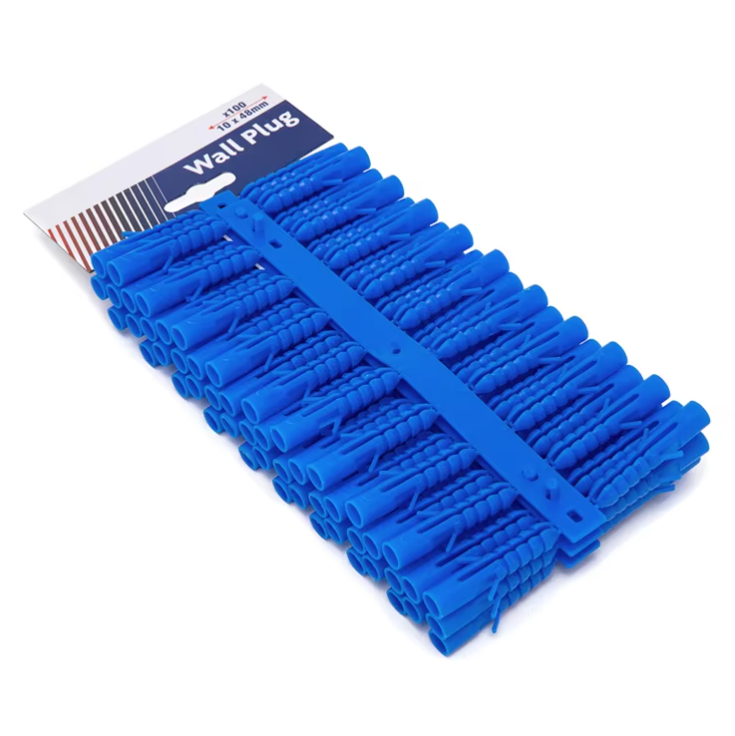
Match the Wall Plug to the Wall Before Anything Else A wall plug is a small plastic anchor that lets a screw bite into masonry, brick, or concrete without cracking the surface. The first mistake on most jobs is treating every plug as universal. A p...
VIEW MORE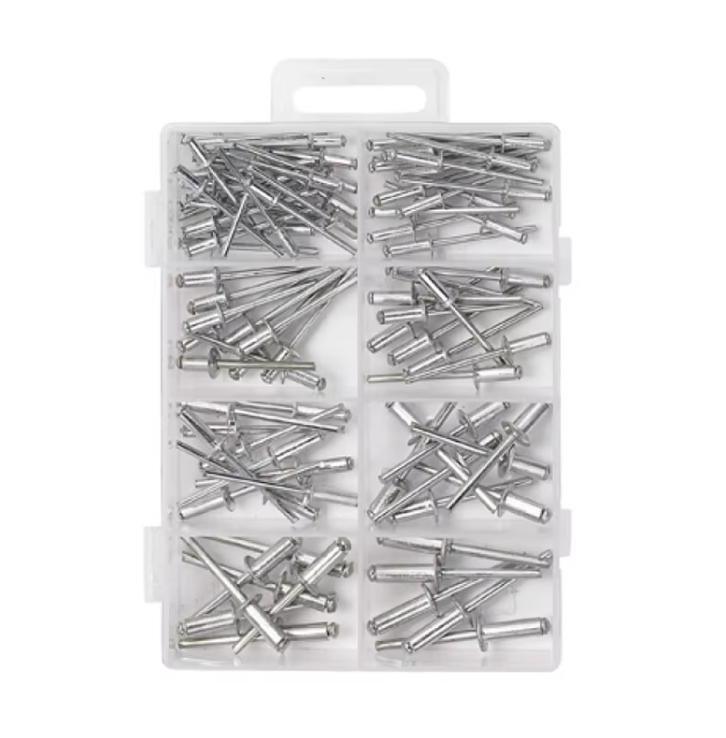
Why Thin Sheet Fastening Fails With Ordinary Screws Thin sheets expose every weakness in a threaded joint. When a machine screw bites into 0.8 mm or 1.2 mm steel, aluminum, or plastic, the threads engage only a few peaks. Normal torque can dimple the...
VIEW MORE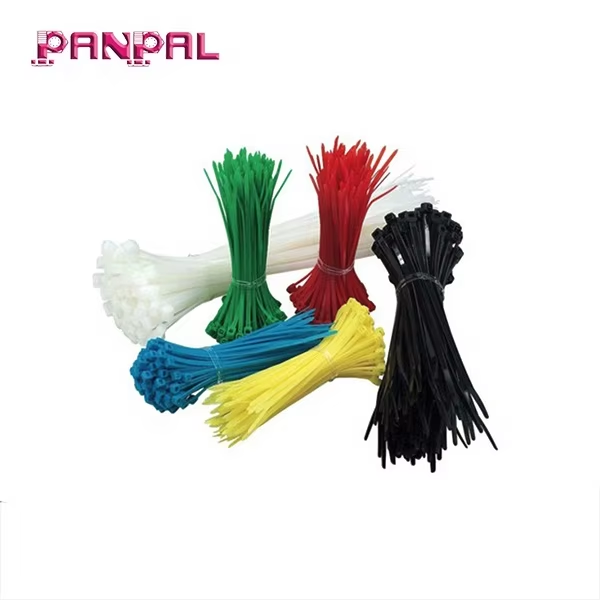
Material Science Behind Industrial Cable TiesStainless Steel vs. High-Performance Polymers: Strength, Corrosion, and Thermal LimitsChoosing between stainless steel and high-performance polymer industrial cable ties hinges on matching material propert...
VIEW MORE
Superior Durability and Tensile Strength for Demanding EnvironmentsStainless steel vs. heat-stabilized nylon: tensile benchmarks under mechanical stress and thermal cyclingIndustrial cable ties operate in environments that push standard plastic faste...
VIEW MORE
Why Cable Ties with Labels Reduce Downtime and Boost Operational EfficiencyThe hidden cost of unlabeled cables: extended MTTR, human error, and reactive troubleshootingUnlabeled cables force technicians into time-consuming, error-prone tracing—turnin...
VIEW MORE
Why Proactive O-Ring Kit Maintenance Delivers Measurable ROIThe Cost of Neglect: How Preventable Failures Drive Downtime and Replacement CostsIgnoring o-ring kit maintenance triggers a costly chain reaction. Unplanned downtime from seal failures aver...
VIEW MORE
WENZHOU ZHONG SHENG HARDWARE CO.,LTD provides high-quality DIY hardware, wall anchors, screws, and blister-packed hardware kits. 30 years of manufacturing expertise, BSCI-approved factory, exported to 500+ regions. Get a quote today.
NO.716 BINHAI TEN ROAD,BINHAI ZONE,ECONOMIC TECHNOLOGY DEVELOPMENT ZONE,WENZHOU,CHINA
Copyright © 2025 by WENZHOU ZHONG SHENG HARDWARE CO.,LTD Privacy Policy
 EN
EN