 EN
EN

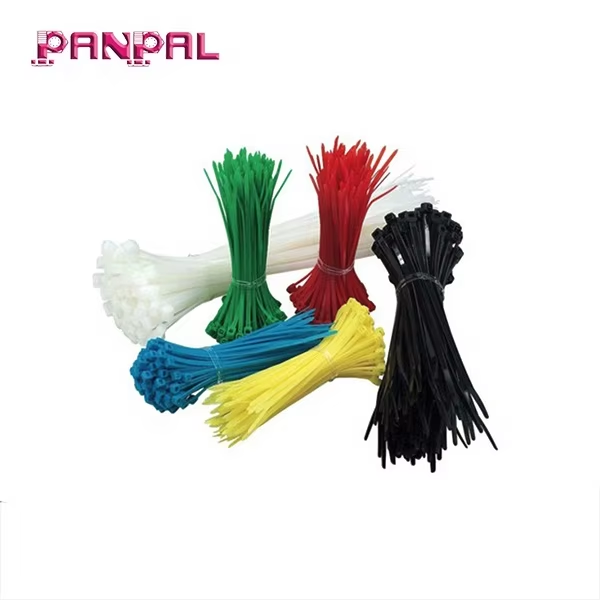
Why Cable Ties with Labels Reduce Downtime and Boost Operational Efficiency
The hidden cost of unlabeled cables: extended MTTR, human error, and reactive troubleshooting
Unlabeled cables force technicians into time-consuming, error-prone tracing—turning routine maintenance into a reactive guessing game. This directly inflates Mean Time To Repair (MTTR), as every intervention begins with identification rather than resolution. The Uptime Institute (2022) attributes 67% of data center outages to mislabeled or unlabeled cables. In high-complexity environments, proper labeling has been shown to reduce human error by 50–55%. Without durable, integrated identification, teams default to trial-and-error diagnostics—converting what should be a minutes-long repair into an hour-long disruption. That cumulative delay silently degrades uptime, increases labor costs, and weakens service-level reliability.
How cable ties with labels cut mean time to repair by up to 42%—validated by field data
Cable ties with integrated, molded-in labels eliminate the need for separate adhesive tags or handwritten markers—removing two major points of failure in cable identification. Field data from industrial and data center deployments shows that adopting these pre-labeled ties reduces MTTR by up to 42%. Technicians identify both ends of a connection at a glance, bypassing disconnection, testing, and reconnection cycles. Because the label is part of the tie—not an add-on—it remains legible and intact through handling, vibration, and environmental exposure. This consistency transforms maintenance from reactive troubleshooting to confident, first-time-right execution—directly improving uptime and lowering the total cost of ownership.
Compliance and Durability: How Cable Ties with Labels Meet Industry Standards
ANSI/TIA-606-C and ISO/IEC 14763-2 alignment through integrated, tamper-resistant labeling
Global standards like ANSI/TIA-606-C and ISO/IEC 14763-2 mandate durable, legible, and traceable cable identification across infrastructure lifecycles. Cable ties with molded-in labels meet—and exceed—these requirements. Unlike surface-applied labels, molded-in identifiers are fused into the tie’s structure during manufacturing, making them inherently tamper-resistant and immune to peeling, smudging, or delamination. This permanence ensures audit-ready compliance for SOC 2, HIPAA, and other regulatory frameworks where consistent asset traceability is non-negotiable.
Optimized label placement: legibility without compromising bundling strength or airflow
Effective labeling balances visibility with functional integrity. Labels placed too close to connectors risk obstructing airflow or stressing cable terminations; those positioned too far reduce readability during fast-paced diagnostics. Per ANSI/TIA-606-C guidance, optimal placement locates the label within 2–4 inches of the termination point—close enough for immediate recognition, yet distant enough to preserve bundling integrity and avoid interference with cooling paths. This precision supports both rapid troubleshooting and long-term system reliability.
Cable Ties with Labels vs. Conventional Methods: Performance, Cost, and Lifecycle Value
Molded-in labels vs. adhesive tags: abrasion resistance, thermal stability, and 5-year readability retention
Molded-in labels offer a decisive durability advantage over adhesive tags. Embedded directly into the nylon or polyester body of the cable tie, they withstand abrasion, UV exposure, and thermal cycling from –40°C to 85°C—conditions under which adhesive tags commonly curl, fade, or detach. Real-world performance tracking confirms molded-in labels retain full legibility beyond five years, while most adhesive solutions degrade significantly within two. Though adhesive tags carry a lower initial price, their short lifespan drives recurring labor for replacement, higher error rates, and increased downtime risk. For mission-critical infrastructure, cable ties with molded-in labels deliver superior lifecycle value—reducing total cost of ownership while strengthening operational resilience.
| Feature | Molded-in Labels | Adhesive Tags |
|---|---|---|
| Abrasion Resistance | Excellent | Poor to Fair |
| Thermal Stability | -40°C to 85°C | Limited range |
| Readability Retention | >5 years | ≤2 years |
| Reusability | Re-tying possible | Single-use often |
FAQ
1. Why are cable labels important?
Proper cable labeling reduces human error, simplifies troubleshooting, and significantly cuts down Mean Time To Repair (MTTR), improving overall operational efficiency.
2. What makes cable ties with molded-in labels more effective than adhesive tags?
Molded-in labels are tamper-resistant, abrasion-resistant, and immune to environmental factors like heat and UV exposure, making them durable and compliant with global standards.
3. Are cable ties with labels compliant with industry standards?
Yes, they meet and exceed standards like ANSI/TIA-606-C and ISO/IEC 14763-2, ensuring durability and traceability necessary for audits and regulatory compliance.
4. How long do molded-in labels last compared to adhesive tags?
Molded-in labels retain their readability for over five years, while adhesive labels typically degrade within two years.