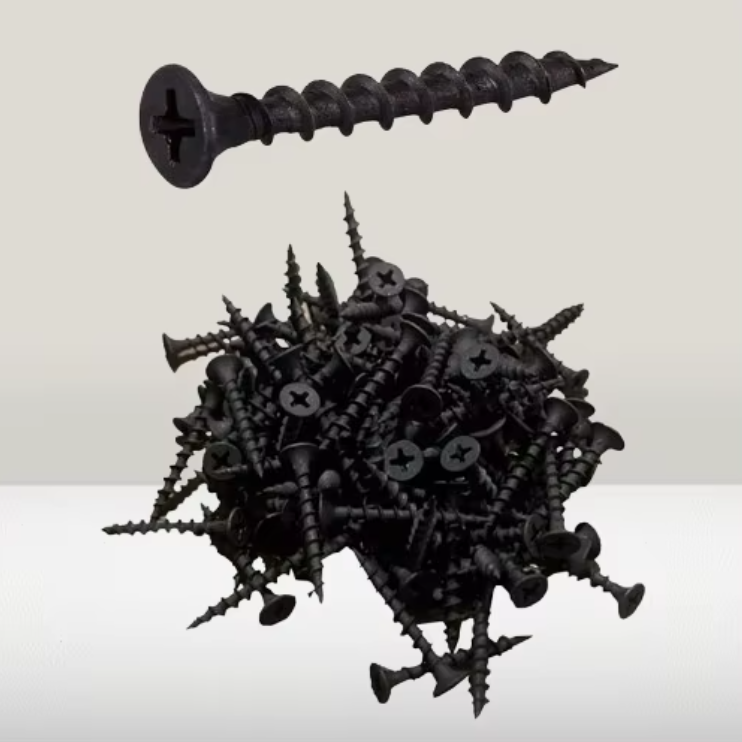
Pick the Right Drywall Screw Before Touching the Ceiling Ceiling drywall is not wall drywall turned sideways. Gravity pulls constantly, vibration from HVAC or foot traffic travels through the framing, and the paper face is under different stress. A d...
VIEW MORE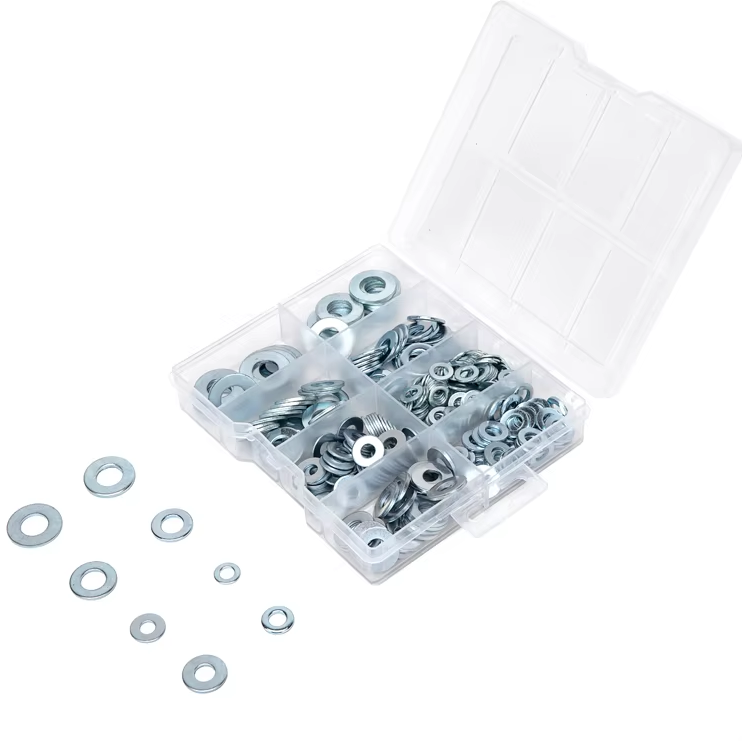
Why Flat Washer Size Matters More Than Most People Think A flat washer is a stamped disc, but its dimensions decide whether a joint behaves predictably. In a hardware kit, the flat washer is often the cheapest part, yet it controls bearing surface, h...
VIEW MORE
Why Popping Happens Before the First Coat of Paint A drywall screw pop rarely starts as a screw problem. The fastener is usually just the messenger. Wood framing shrinks across the grain as moisture content drops from 19 percent to 8 percent. The boa...
VIEW MORE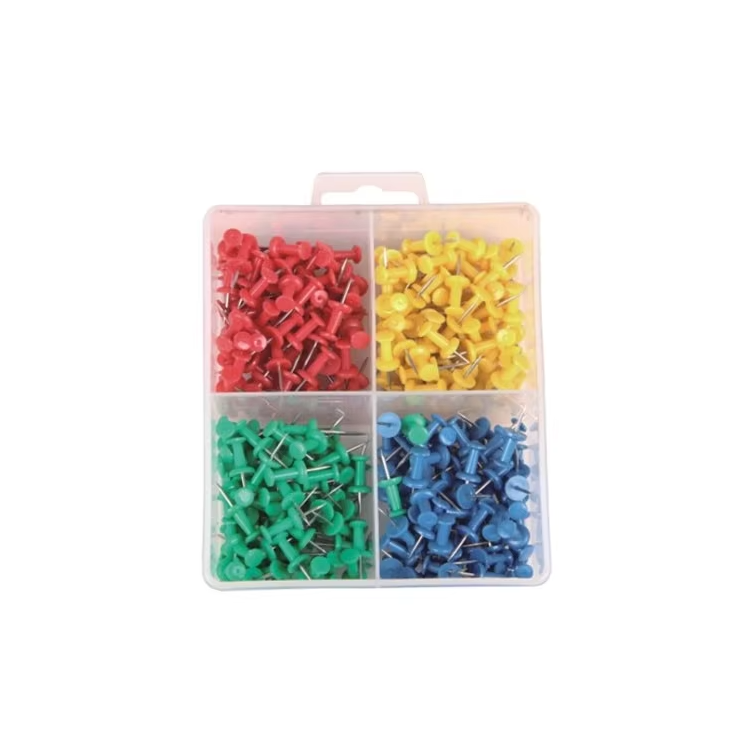
Why Push Pins Still Earn Wall Space Digital reminders are useful, but a wall of notes creates awareness a phone screen rarely matches. A Push Pin is small, cheap, and instantly readable. No battery, app, or login is required. That matters in shared o...
VIEW MORE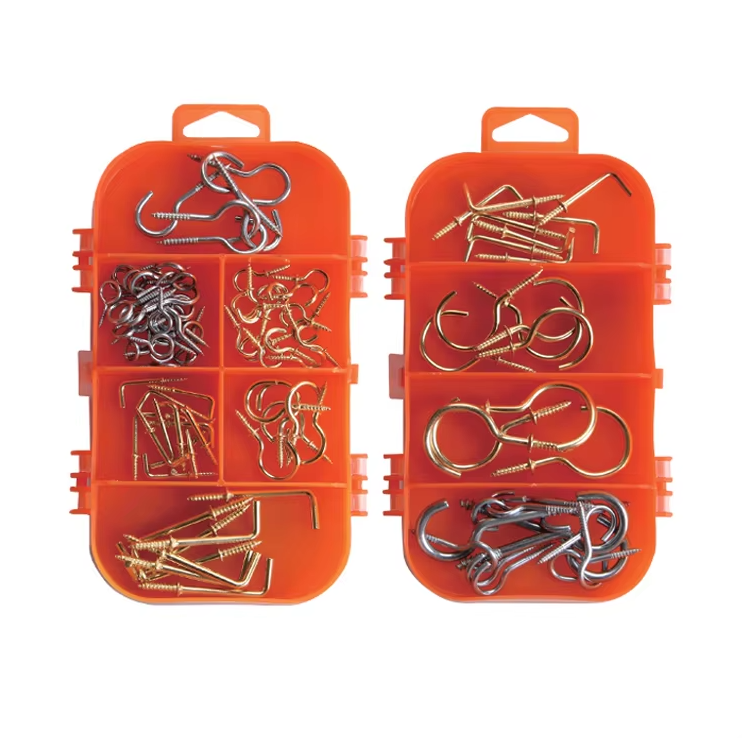
Why a Tiny Eye Screw Solves More Problems Than It Looks An eye screw looks almost too simple to matter. A threaded shank, a closed loop, and a small shoulder between them. That basic shape turns wood, anchors, and brackets into dependable attachment ...
VIEW MORE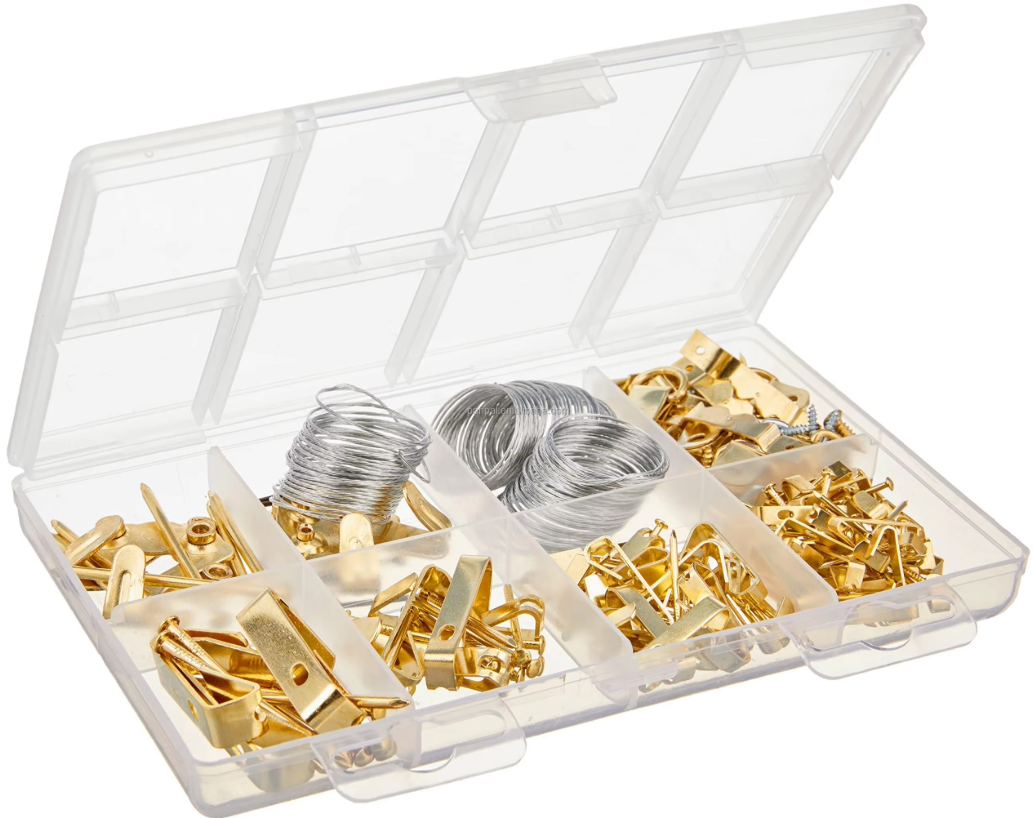
The Hidden Problem With Just Hammering a Nail Into Drywall A single nail seems like the simplest solution for hanging a framed print or a lightweight mirror. Grab a hammer, tap it in, done. That approach works fine until gravity, vibration, and time ...
VIEW MORE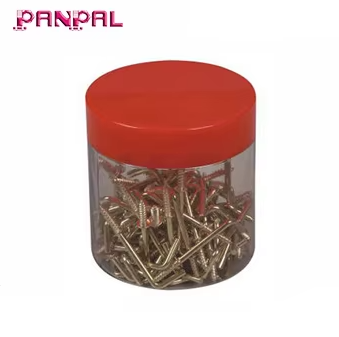
Why the Substrate Matters More Than the Hook Itself A cup hook is a deceptively simple piece of hardware. It looks like a small curved piece of metal with a threaded end, and most shoppers grab one off a pegboard without a second thought. But the r...
VIEW MORE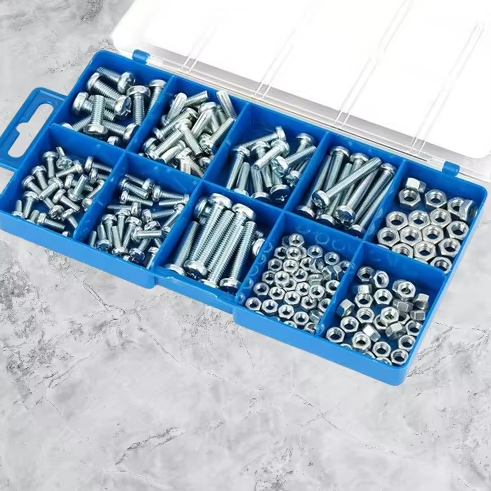
Why the Flange Makes a Difference A flange nut is not just a hex nut with a fancy collar. The flange is a built-in washer, and that extra bearing area changes how load travels through the joint. On thin sheet metal, a standard nut can dimple the su...
VIEW MORE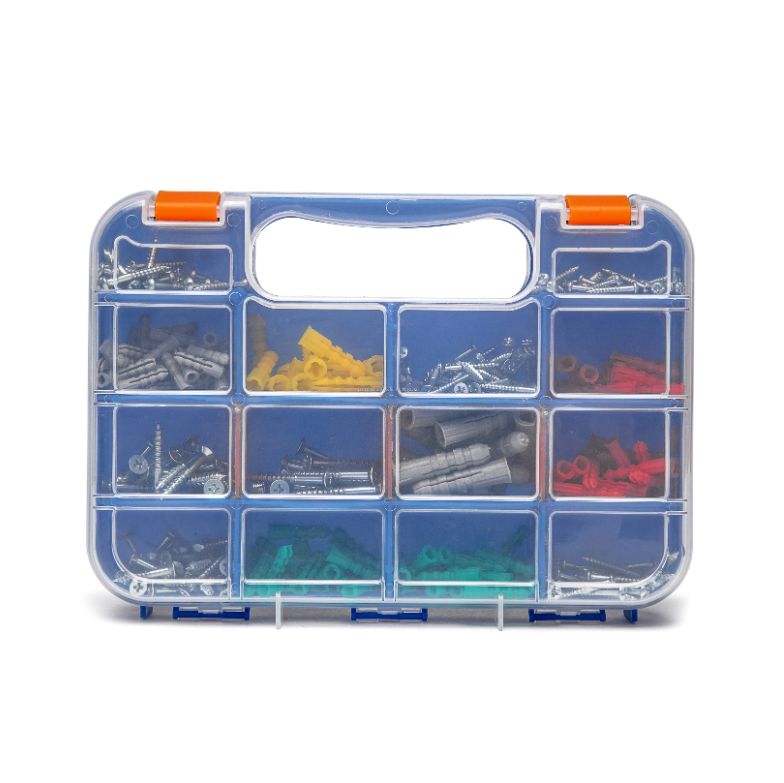
Why Thin Wood Splits Before the Screw Even Bites A wood screw displaces material rather than cutting a clean tunnel. In thin stock, that displacement has nowhere to go. The tapered shank and threads push fibers apart, and if the grain is short or t...
VIEW MORE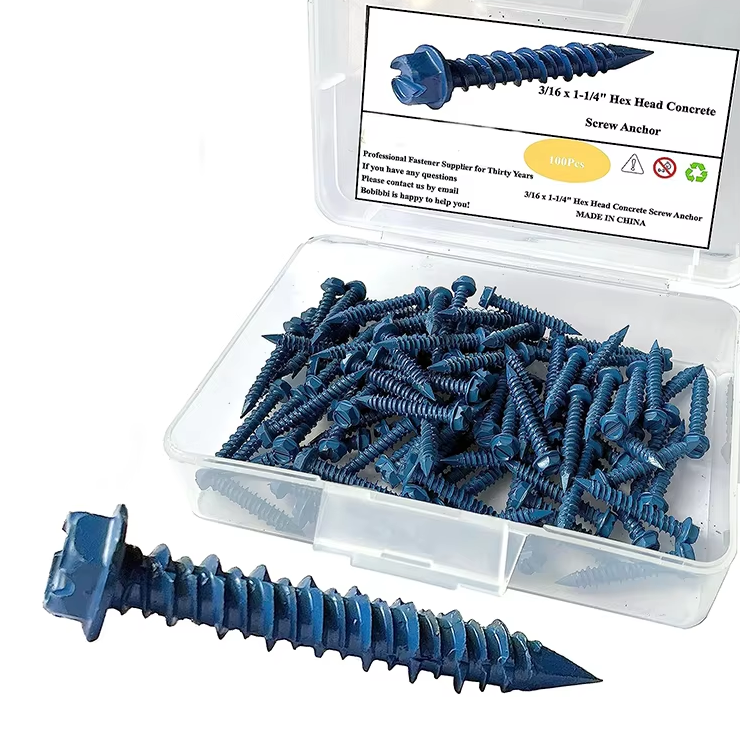
Torque Is The Hidden Language Of Clamp Load A hex head screw does not hold parts together just because it feels tight. It holds because tightening stretches the screw and compresses the joined parts. That stretch creates clamp load, the force that ke...
VIEW MORE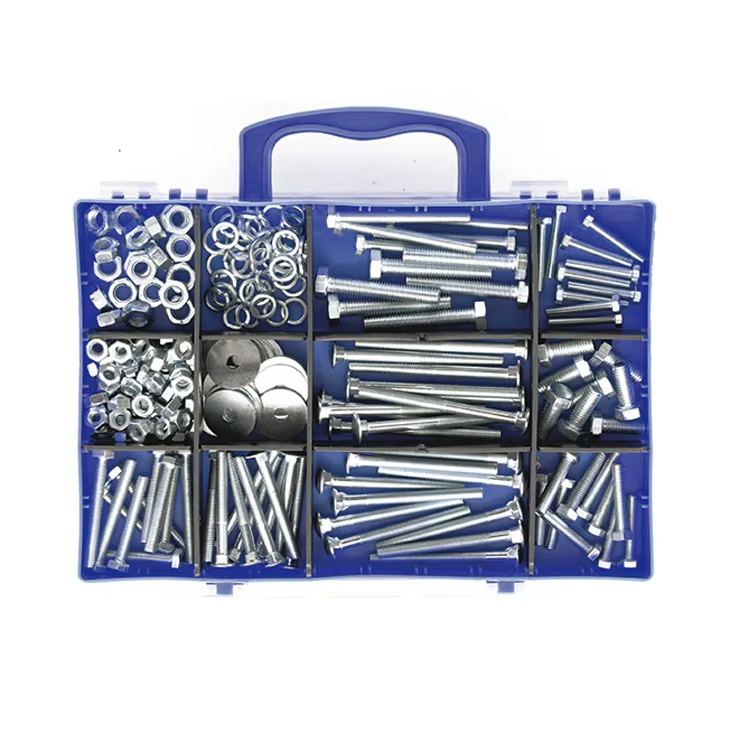
Why Vibration Control Starts at the Contact Point Vibration rarely stays where it starts. A motor mount, pump foot, compressor bracket, or control panel frame can turn a small cyclic force into noise, fatigue cracks, and loose fasteners. A rubber w...
VIEW MORE
What a Rubber Washer Really Is A rubber washer is a soft, compressible ring placed under a fastener or between flanges. It is not just a cushion. The part relies on elastic recovery to fill small gaps, resist media, and keep a clamped joint from le...
VIEW MORE
WENZHOU ZHONG SHENG HARDWARE CO.,LTD provides high-quality DIY hardware, wall anchors, screws, and blister-packed hardware kits. 30 years of manufacturing expertise, BSCI-approved factory, exported to 500+ regions. Get a quote today.
NO.716 BINHAI TEN ROAD,BINHAI ZONE,ECONOMIC TECHNOLOGY DEVELOPMENT ZONE,WENZHOU,CHINA
Copyright © 2025 by WENZHOU ZHONG SHENG HARDWARE CO.,LTD Privacy Policy
 EN
EN