 EN
EN

Why Thin Wood Splits Before the Screw Even Bites
A wood screw displaces material rather than cutting a clean tunnel. In thin stock, that displacement has nowhere to go. The tapered shank and threads push fibers apart, and if the grain is short or the board is narrow, a crack can run ahead of the threads. Moisture content makes it worse. Kiln-dried lumber at 6 to 8 percent moisture is stable, but a board that has sat in a humid garage can swell and concentrate stress. The split often starts at the edge, where less fiber resists hoop stress. That is why a fastener that behaves in a 2x4 can ruin a 1/4 inch oak panel.
Match the Pilot Hole to the Screw and the Species
Pilot hole size is not one number for all jobs. The USDA Forest Products Laboratory's Wood Handbook suggests a pilot hole around 70 to 90 percent of the screw's root diameter, with hardwoods at the larger end and softwoods at the smaller end. The goal is to remove enough core material so the threads cut rather than wedge. For a #6 screw in white oak, an 11/64 inch bit is a reasonable starting point. In pine, 9/64 inch may be enough. A drill press or a good cordless drill with a depth stop keeps the hole straight. Angling the bit slightly can reduce edge splitting, but only if the screw head still seats flat.
| Material | Pilot hole guide | Splitting risk | Useful extra step |
|---|---|---|---|
| Pine or fir | 60 to 75 percent of root diameter | Moderate | Wax the threads |
| Oak or maple | 75 to 90 percent | High | Countersink and clamp |
| Plywood | 80 to 90 percent | Low to moderate | Support the back face |
| MDF | 90 percent | Low | Avoid screwing near edges |
| Thin stock under 1/4 inch | 85 to 95 percent | Very high | Backer board and clamp |
Clamping, Backing, and Other Shop Tricks That Actually Help
Clamping is not just for glue ups. A clamp or bench vise applies compressive force across the grain, which counteracts the tensile stress that opens a split. A backer board works the same way. Place scrap plywood or MDF behind the thin workpiece, drill through both, and the backer carries the screw's expansion force. Soap or paraffin wax on the threads lowers friction and reduces torque. High driving torque is a common trigger for cracks. A pilot hole plus wax can cut splitting in hard maple. Avoid overdriving. Impact drivers are fast, but they can stall and twist the board before the clutch reacts. A drill with a low clutch setting is safer for thin material.
When Predrilling Is Not Enough: Hardwoods, Plywood, and MDF
Some materials still split even with a pilot hole. Hardwoods like oak, ash, and hickory have dense fibers, so the screw acts like a splitting wedge. Plywood is different. The cross-grain layers resist splitting, but the face veneer can lift or tear. MDF has no grain, so it rarely splits, but it has low holding strength near edges. In these cases, a confirmat screw, pocket screw, or threaded insert may work better than a standard wood screw. A confirmat screw cuts a larger core hole and pulls panels together without the same wedge effect. The tradeoff is that confirmat screws need a stepped drill bit and are not always practical for thin, decorative faces.
A Field Case from a Cabinet Shop Retrofit
During a cabinet shop retrofit in the Pacific Northwest, a crew was installing 1/4 inch white oak drawer fronts on plywood boxes. The original plan used 1 inch #6 wood screws directly through the oak faces. About one in five faces cracked at the edge, even with pilot holes. The shop switched to a two-step process: a 5/32 inch pilot hole, a 3/16 inch countersink, and a backer block clamped behind each drawer front. Screws were waxed and driven with a clutch drill set to 8. The crack rate dropped to nearly zero on the next 60 pieces. The fix added about 12 seconds per drawer front, but it saved the cost of replacing finished oak faces.
Choosing Hardware and Fasteners That Reduce Risk
Not every screw is designed for thin wood. A screw with a sharp point, fine threads, and a small root diameter displaces less material than a coarse, tapered screw. Type 17 auger points help in softwoods, but in hardwoods they can grab and split. Thread-forming screws for plastics or sheet metal are not a good substitute. For thin stock, a pan head or trim head screw offers a smaller bearing surface, which can reduce head pull-through, but it also concentrates pressure. A flat head with a countersink spreads load better. Buy from a supplier that controls point geometry, thread pitch, and heat treatment. Off-spec screws can have inconsistent root diameters, which makes pilot hole sizing a guessing game.
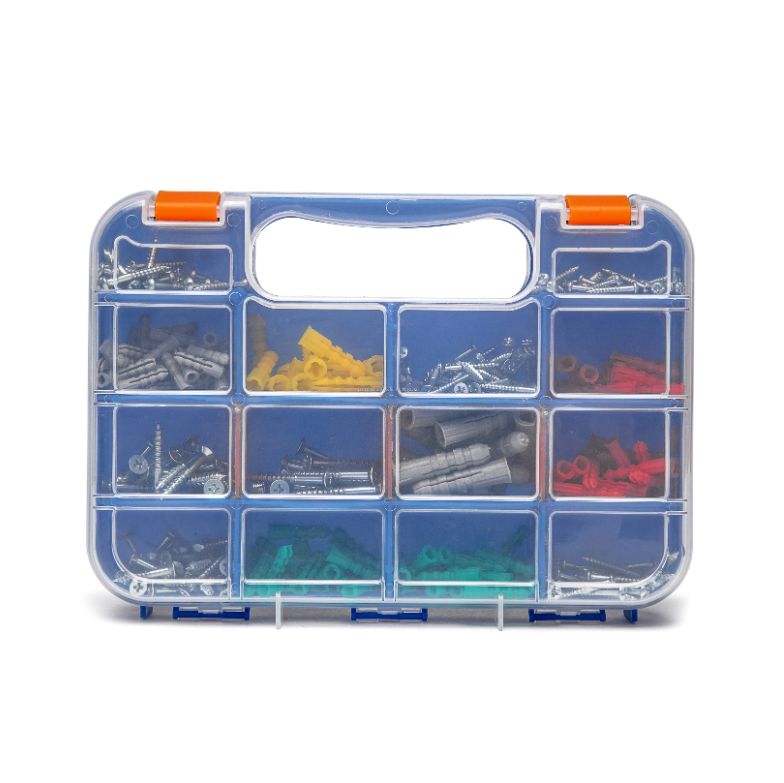
Zhongsheng Hardware has supplied DIY hardware assortments and blister-packed fastener kits since 1993, with in-house molding, packaging, and supply chain control. For thin wood projects, that consistency matters because a few thousandths of an inch in screw diameter can decide whether a panel cracks or holds.
Table of Contents
- Why Thin Wood Splits Before the Screw Even Bites
- Match the Pilot Hole to the Screw and the Species
- Clamping, Backing, and Other Shop Tricks That Actually Help
- When Predrilling Is Not Enough: Hardwoods, Plywood, and MDF
- A Field Case from a Cabinet Shop Retrofit
- Choosing Hardware and Fasteners That Reduce Risk