 EN
EN

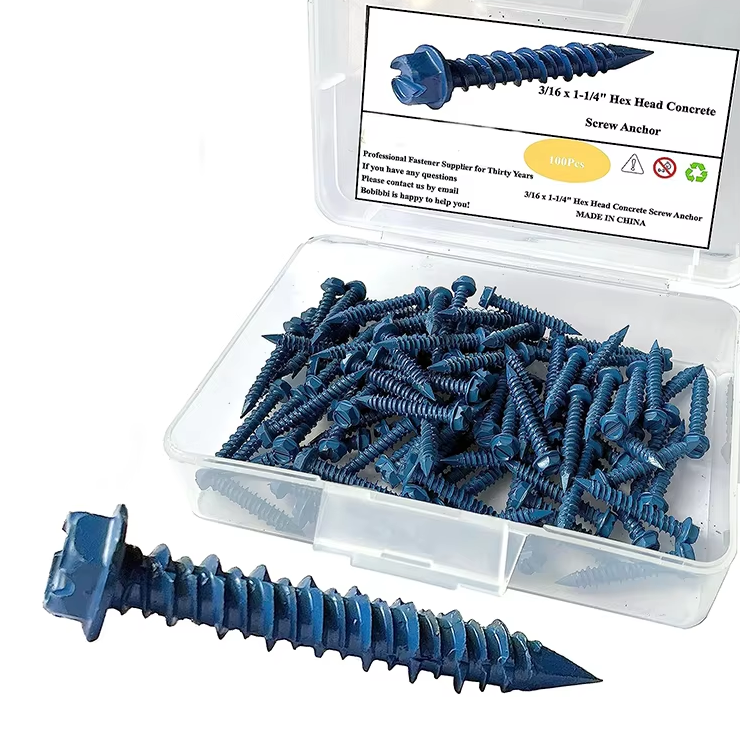
Torque Is The Hidden Language Of Clamp Load
A hex head screw does not hold parts together just because it feels tight. It holds because tightening stretches the screw and compresses the joined parts. That stretch creates clamp load, the force that keeps a joint from slipping, leaking, or vibrating apart. Torque is the turning effort used to create that stretch. The relationship is not direct. Some torque overcomes friction under the head and in the threads. The rest becomes tension in the screw. In a clean, dry, zinc-plated M10 8.8 hex head screw, only about 10 to 15 percent of input torque may become useful clamp load. Two screws with the same torque reading can behave differently. One may be near target load. Another may be barely snug or already yielding.
What Happens When A Hex Head Screw Gets Too Little Or Too Much
Too little torque leaves a joint under-clamped. A pump base, electrical cabinet, or structural bracket may feel tight by hand, yet parts can still move under load. Once movement starts, the screw can loosen, the hole can elongate, and fatigue cracks may form. In vibration-heavy equipment, a slightly loose hex head screw can back out in a matter of shifts. Too much torque creates the opposite problem. The screw may yield, strip threads, crush a soft gasket, or crack a brittle flange. A torque wrench can click at the set value while the joint has already lost preload. The goal is controlled clamp load, not maximum torque, keeping the joint stable without pushing the fastener past its elastic range.
Friction, Lubrication, And The Numbers That Trip People Up
Friction is the wild card. Plating, oil, wax, corrosion, thread damage, and tightening speed can change the torque-to-load ratio. A dry black oxide screw might need 45 N·m to reach a target load, while the same size screw with molybdenum disulfide lubricant might reach that load at 28 N·m. Standards such as ISO 898-1 define mechanical properties for metric hex head screws, but they do not tell anyone what torque to use in a specific joint. VDI 2230 and ASME PCC-1 approach the problem through calculated preload, friction assumptions, and assembly control. A torque value without friction information is only half a specification.
| Fastener size and class | Dry K around 0.20 | Lubricated K around 0.12 | Notes |
| M8 8.8 | 25 N·m | 15 N·m | Target near 70 percent proof load |
| M10 8.8 | 49 N·m | 29 N·m | Common bracket and machine base range |
| M12 8.8 | 86 N·m | 52 N·m | Higher clamp load, higher friction sensitivity |
| M10 A2-70 stainless | 35 N·m | 21 N·m | Galling risk changes assembly feel |
A Field Case From A Southern Chemical Plant Retrofit
During a retrofit at a chemical plant in southern China, a contractor replaced vibrating screen supports with new M12 hex head screws. The crew used a dry torque chart from an old manual and set the wrench to 80 N·m. Within two weeks, several screws were loose. Inspection showed shiny wear marks under the heads and flattened threads. The new screws had a different coating and arrived with a light rust-preventive oil. That film lowered friction, so 80 N·m produced far more clamp load than expected. Some fasteners had yielded. The fix was to clean the threads, apply a controlled lubricant, and use a lower torque based on actual friction. The joint stayed stable after the change. Mixed batches can create this kind of surprise when every hex head screw is treated as identical.
How To Set Torque Without Guessing
A reliable torque plan starts with the joint, not the wrench. First, identify the screw grade, size, thread pitch, and coating. Second, estimate target preload from proof load, often 60 to 75 percent for reusable joints. Third, decide on lubrication and control it. Fourth, verify with a calibrated torque wrench or, for critical joints, use torque-angle or direct tension measurement. Fifth, sample-check installed fasteners when possible. Sampling checks can reveal process stability. For soft materials such as aluminum or plastics, the limiting factor may be the boss or nut material, not the screw. A lower torque and a wider washer can prevent crushing. The best torque spec matches the real friction, the real joint, and the real consequences of failure.
Why Hardware Quality And Supply Consistency Matter
Torque matters because it is a proxy for clamp load. If hardware changes from batch to batch, the proxy becomes unreliable. Coating thickness, thread tolerance, material grade, and surface finish all affect friction and load. A supplier that controls these variables makes assembly planning easier. Zhongsheng Hardware, based in Wenzhou and operating since 1993, manufactures and supplies DIY hardware assortments in plastic-absorbing boxes made from PS, PP, ABS, and PVC blister materials. The company also produces according to client requirements, with stable quality, reasonable cost, and export-ready supply. For buyers dealing with hex head screws and mixed hardware kits, that consistency keeps torque charts meaningful on the factory floor.
Table of Contents
- Torque Is The Hidden Language Of Clamp Load
- What Happens When A Hex Head Screw Gets Too Little Or Too Much
- Friction, Lubrication, And The Numbers That Trip People Up
- A Field Case From A Southern Chemical Plant Retrofit
- How To Set Torque Without Guessing
- Why Hardware Quality And Supply Consistency Matter