 EN
EN

What an Eye Bolt Really Does in a Lift
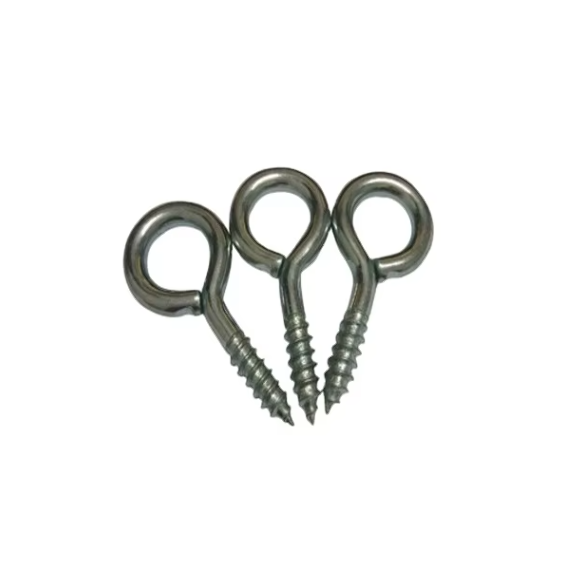
An eye bolt looks simple: a threaded shank, a ring, and a load. In rigging and hoisting, that ring is often the final connection between a sling and a machine base, beam clamp, or concrete anchor. The hardware transfers force from a flexible sling into a fixed structure, sometimes at an angle, sometimes with vibration, and sometimes after years of weather exposure. A basic eye bolt from a hardware bin and a forged, rated eye bolt for overhead lifting are not the same product. The first may hold a sign or a cable guide. The second is engineered for controlled load paths, documented capacity, and inspection. That difference is why eye bolts matter. They sit in the load path where small mistakes become incidents.
The Geometry Problem Most Crews Underestimate
Load angle is the quiet variable. A shouldered eye bolt installed in the correct orientation can take some angular loading, but capacity drops as the angle moves away from the shank axis. A 45 degree pull is not the same as a straight pull. Unshouldered eye bolts are generally intended for vertical loading only. When a sling pulls sideways, the shank sees bending, the threads see prying, and the eye can open or the shank can yield. ASME B30.26 covers rigging hardware and calls for rated capacity, identification, and proper use. A 1 inch eye bolt rated at 10,000 lb vertical may have a working load limit closer to 7,000 lb at 45 degrees and 5,000 lb at 90 degrees, depending on the design. Those numbers change rigging plans.
Forged, Shouldered, and Why the Details Matter
Material and forming process separate a hardware item from a lifting point. Forged eye bolts are formed under heat and pressure, which aligns grain flow and reduces internal defects. Shouldered eye bolts have a shoulder that seats against the load surface. That shoulder helps carry angular loads and keeps the shank from bending at the thread root. A bent-wire eye bolt or a low-carbon hardware-store item may have no traceable rating. On a hoist, traceability matters. Inspectors want a manufacturer mark, size, thread, and working load limit. If the mark is missing, the safe assumption is that the item is not for overhead lifting. Coating also matters. Zinc plating, hot-dip galvanizing, and stainless steel behave differently in chemical plants, coastal air, and washdown areas.
Inspection, Installation, and the Mistakes That Repeat
Inspection is not a paperwork ritual. Eye bolts can fail from cracks, thread damage, corrosion, deformation, and improper installation. A visual check should look for bent shanks, opened eyes, worn threads, and rust jacking. The eye should be round, not elongated. The shoulder should sit flush. The bolt should be tightened to the correct torque, and the eye should be aligned with the load direction. In one southern chemical plant turnaround, a maintenance crew used unshouldered eye bolts for a temporary lift on a pipe rack. The pull angle was about 60 degrees from vertical. During the lift, one eye bolt bent at the thread root. No one was hurt, but the lift stopped. The investigation found that the bolts were not rated for angular loading and had been installed with the eye facing the wrong way. The fix was straightforward: forged shouldered eye bolts, correct orientation, and a pre-lift check.
Matching Eye Bolts to Slings, Shackles, and Load Direction
An eye bolt is only one part of a system. Shackles, hooks, slings, and master links need compatible ratings and geometry. A shackle pin through an eye bolt can bind if the eye is too small or the shackle is too wide. A sling leg at an angle can put side load on a hook that is not designed for it. The best practice is to build the lift from the load back to the hoist, checking each connection. The table below shows typical capacity reduction for shouldered eye bolts by load angle. These values are illustrative and should be replaced with the manufacturer's published data for the specific product.
| Load angle from shank axis | Typical capacity factor for shouldered eye bolts | What it means on site |
|---|---|---|
| 0 degrees | 100 percent | Straight vertical pull, the design case for most eye bolts |
| 45 degrees | About 70 percent | Sling angle changes the rigging plan and hardware selection |
| 90 degrees | About 50 percent | Side pull demands a shouldered design and careful inspection |
Where Zhongsheng Fits in the Hardware Supply Chain
Distributors and project buyers rarely need just one eye bolt. They need a hardware assortment that ships in organized packaging, matches a catalog, and arrives consistently. Zhongsheng has been manufacturing DIY hardware assortments and blister-packed items since 1993. The company works with PS, PP, ABS, and PVC blister packaging, which helps distributors present eye bolts, hooks, and related hardware in retail-ready sets. For rigging buyers, the practical value is a supplier that understands both the metal parts and the packaging line. Products are built around quality and reasonable price, with a professional team and industry knowledge that supports foreign companies.