 EN
EN

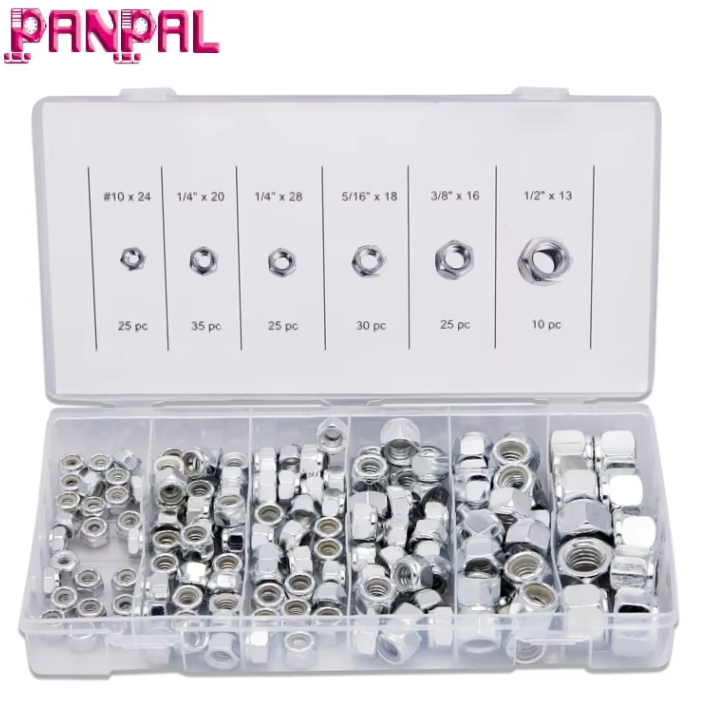
What a Lock Nut Really Does Under Load
A lock nut is not a magic fastener. Its job is to hold clamp load after installation torque is removed. A standard nut can back off under vibration, thermal cycling, or side loading because friction alone may not keep threads engaged. Lock nuts add a second defense. A nylon insert or deformed metal section creates prevailing torque, while a serrated flange or wedge design bites into the mating surface or bolt. Choice depends on temperature, reuse needs, corrosion exposure, and clamp load. If the bolt is stretched past yield or the joint is too soft, no lock nut will fix a poor design.
Thread Type, Pitch, and Material Choices That Matter
The first check is thread fit. A 1/2-13 nut will not work on a 1/2-20 bolt, and mixing metric and inch threads can damage both parts. Pitch matters because fine threads offer more engagement per inch, but coarse threads resist cross-threading better in dirty jobs. Material selection follows the environment. Zinc-plated carbon steel suits dry indoor equipment. Stainless steel A2 or A4 handles moisture and chemicals, though stainless threads can gall without lubricant. Nylon insert lock nuts have a temperature ceiling, often around 250°F, so exhaust manifolds and oven hardware need all-metal designs. ISO 898-2 is a useful reference for nut mechanical properties, and matching nut class to bolt class is basic practice.
| Lock nut style | Locking method | Reuse | Temperature | Common fit |
|---|---|---|---|---|
| Nylon insert | Nylon ring | Limited | Up to 250°F | Appliances, machinery |
| All-metal | Deformed threads | Some | High heat | Engines, exhaust |
| Serrated flange | Teeth grip | Often | Moderate to high | Brackets, sheet metal |
| Wedge lock | Cam action | Some | High vibration | Rail, frames |
How to Match Lock Nuts to Bolts and Joint Conditions
Matching is more than finding the same thread size. Bolt grade, nut grade, washer hardness, and joint stiffness work together. A class 8.8 bolt should generally pair with a class 8 nut, while a 10.9 bolt needs a class 10 nut to avoid stripping the nut before target preload. Hardened washers spread load and protect soft aluminum or plastic. Vibration direction also matters. A lock nut on a bracket that flexes may lose clamp load even if the nut stays in place, because the joint itself is moving. During a retrofit at a chemical plant in southern China, a pump skid kept showing loose hold-down bolts after a few weeks. The original hardware used stainless bolts with plain nuts and no washers on a painted steel base. The fix combined A4 stainless lock nuts, hardened washers, thread lubricant, and a torque check after the first heat cycle. The loosening rate dropped because the joint was addressed as a system.
Installation Practices That Prevent False Tightness
Clean threads matter more than most people admit. Dirt, paint, and damaged crests create friction that makes a torque wrench click early, leaving low clamp load. Run a thread chaser, not a cutting tap, when possible. For nylon insert lock nuts, the nylon ring should face outward, away from the joint, so the bolt passes through metal threads before reaching the insert. Hand-tighten until the nut contacts the washer, then apply final torque with a calibrated wrench. Impact wrenches can spin a nut fast, but speed does not prove preload. Lubrication changes the torque-preload relationship, so a dry torque spec may overstretch a lubricated bolt. When the specification is critical, use a torque wrench and confirm with a direct tension indicator or turn-of-nut method where allowed.
Inspection, Reuse, and Failure Signals
A lock nut that has done its job may look fine yet be past its useful life. Nylon inserts can harden, crack, or wear flat. All-metal nuts can lose prevailing torque after several installs. Look for rust streaks, polished wear marks, cracked flanges, and flattened bolt threads. Reuse is a judgment call. Many nylon insert nuts are considered one-time or limited-use hardware because the insert deforms to match the bolt thread. All-metal styles may survive more cycles if the locking feature still produces measurable resistance. IFI 100 and related test methods describe prevailing torque testing, which is better than eyeballing. If a joint keeps loosening after correct installation, the root cause may be insufficient bolt stretch, a soft joint, or thermal expansion, not the nut.
When Standard Hardware Falls Short
Standard lock nuts cover a huge range of jobs, yet they have limits. Nylon inserts do not belong in high-temperature exhaust or oven applications. Serrated flanges can damage soft or painted surfaces. Stainless hardware may gall in clean, high-speed assembly without lubrication. For extreme vibration, wedge-lock nuts, jam nuts, or thread lockers may be better, but each adds cost or assembly steps. A selection process weighs environment, reuse, tool access, and failure cost. For buyers assembling mixed hardware kits, Zhongsheng has manufactured hardware since 1993, offering DIY assortments packed in PS, PP, ABS, and PVC blister or plastic-absorbing boxes. That supply chain and packaging experience helps when one catalog needs lock nuts, washers, bolts, and small parts in consistent retail-ready sets.