 EN
EN

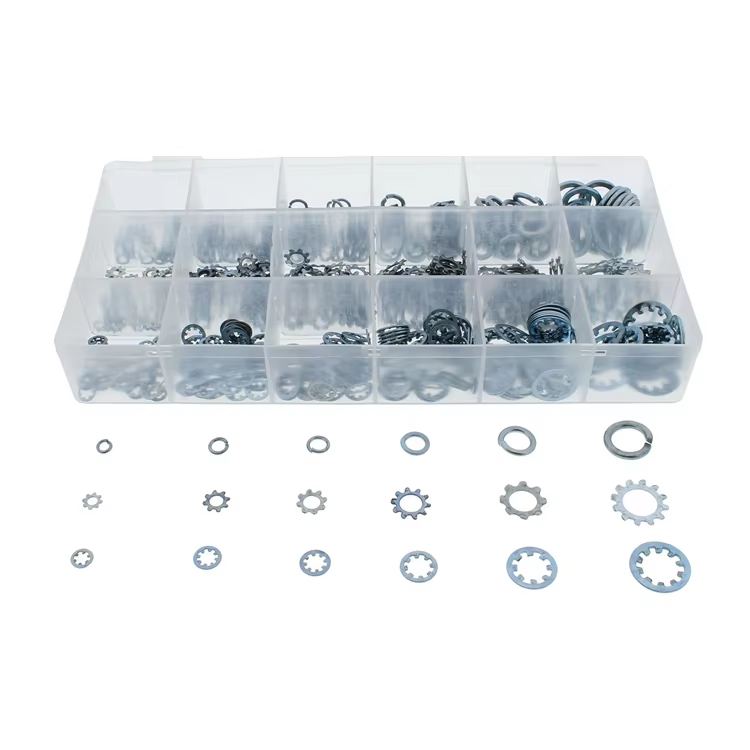
Superior Corrosion Resistance for Long-Term Durability
Why Corrosion Resistance Matters in Fastener Applications
About one third of all unexpected fastener failures in industrial settings come down to corrosion problems, and manufacturers typically end up spending around $740,000 each year just on fixing these issues according to NACE data from 2023. Stainless steel spring washers offer protection against this because they create what's basically a chromium oxide shield over the metal surface. What makes them special is that this protective layer actually heals itself if it gets scratched or damaged somehow. Regular carbon steel coatings don't work like that though they tend to break down completely once there's any kind of scratch or wear on the surface.
How Stainless Steel Enhances Performance in Harsh Environments
In coastal wastewater treatment plants, stainless steel spring washers retain 92% structural integrity after five years of saltwater exposure—outperforming galvanized steel by 300% (ASTM B117 Salt Spray Test 2023). Their superior resilience is due to key material advantages:
| Property | Stainless Steel (316 Grade) | Carbon Steel (Grade 5) |
|---|---|---|
| Chloride Resistance | Up to 1,000 ppm | Fails at 200 ppm |
| pH Stability Range | 1–13 | 5–9 |
| Maintenance Interval | 7–10 years | 1–2 years |
Stainless Steel vs. Carbon Steel Washers: A Comparative Analysis
While carbon steel offers higher tensile strength (120 ksi vs. 85 ksi), stainless steel provides 18x better corrosion resistance in chemical processing environments (ASM International 2024). This advantage translates into lifecycle cost savings, as stainless steel reduces replacement frequency by 83% in corrosive industrial settings.
Case Study: Marine and Chemical Processing Industry Applications
A Singapore shipbuilder replaced standard washers with 316L stainless spring washers in engine assemblies, eliminating $280k/year in corrosion-related downtime. The components maintained consistent preload despite daily exposure to salt spray and 90% humidity.
Long-Term Cost Savings Through Reduced Maintenance and Replacement
Despite a 40% higher initial cost, stainless steel spring washers deliver a 7:1 ROI over 10 years by preventing unplanned shutdowns and eliminating recoating requirements. A 2024 plant audit found 62% lower fastener-related maintenance hours in facilities using stainless components compared to carbon steel.
Effective Vibration and Shock Absorption in Dynamic Systems
Stainless steel spring washers prevent bolt loosening under vibration by maintaining constant preload through elastic deformation. Their inherent flexibility reduces transmitted vibrational energy by up to 70% compared to rigid fasteners, significantly enhancing joint longevity in dynamic systems.
Mechanical Principles Behind Vibration Resistance
The wave-like geometry of stainless steel spring washers allows controlled deflection under load, converting vibrational energy into elastic strain. This design compensates for micromovements and material relaxation—common causes of fastener failure in high-vibration environments.
Performance Data Under Cyclic Loading and Real-World Stress
Testing shows stainless steel variants retain 95% of initial preload after 50,000+ cycles at 15 Hz, outperforming carbon steel by 30%. Their fatigue-resistant microstructure withstands shear stresses typical in rotating machinery and transportation applications.
Case Study: Use in Automotive Suspension and Engine Assemblies
In automotive systems, stainless steel spring washers reduce suspension joint wear by 40% over 100,000 miles. Their damping capability is especially effective in turbocharger assemblies, where thermal cycling and engine harmonics accelerate fastener degradation.
Compensation for Thermal Expansion in Critical Joints
Understanding thermal dynamics in fastened assemblies
Mechanical joints face serious problems when dealing with thermal expansion during temperature changes. Different materials expand and contract at their own pace, creating stress points in the joint area that often result in loosening bolts or complete structural failures. Look at pipeline systems or aircraft components where temperatures can jump around 200 degrees Fahrenheit up and down throughout operation cycles. Keeping those connections tight becomes absolutely critical under these conditions. Stainless steel spring washers work better here because they actually move with the thermal shifts instead of fighting against them. Regular fasteners just can't handle this kind of stress over time since they tend to lose their grip as temperatures fluctuate.
How stainless steel spring washers maintain preload under temperature changes
Spring washers made from stainless steel serve as sort of shock absorbers between components, helping them handle differences in expansion when temperatures change. Lab tests indicate these washers hold onto around 85 to 90 percent of their original tension even after going through multiple heating and cooling cycles. That's pretty impressive when we look at regular non-spring washers that drop below 60% retention rate under similar conditions. The reason behind this superior performance lies in the special structure of certain stainless steel grades such as 304 and 316. These materials have what engineers call an austenitic microstructure, basically meaning they don't lose shape or strength as quickly when exposed to high heat over time. This makes them particularly valuable in industrial settings where temperature fluctuations are common but consistent pressure maintenance is critical.
Proven performance in aerospace and high-temperature environments
When it comes to aerospace turbine assemblies, we're talking about environments where temperatures can swing over 1,000 degrees Fahrenheit. These special washers help prevent bolt fatigue by taking on those expansion forces that would otherwise cause problems. According to research from NASA's materials division, maintenance intervals dropped by around 40% once they started using these washers in engine mount areas. The benefits aren't just limited to aerospace either. Chemical processing facilities have seen their reactor flange connections last anywhere from three to five times longer. That makes sense when considering how both thermal shock and corrosive chemicals work together to break down regular fasteners over time.
Consistent Load Distribution and Preload Control
The Importance of Preload in Joint Integrity and Safety
The term preload refers to the tension we apply when tightening a bolt or screw, and getting this right matters a lot for keeping joints intact. If there's not enough preload, even strong connections might come loose over time, especially when dealing with movement or temperature changes. That's where stainless steel spring washers come into play. These little components help maintain that initial tension despite vibrations and material relaxation that happens naturally over time. Studies indicate that joints with good preload tend to last about 70% longer in situations where stress is constantly being applied. For engineers working on anything from machinery assembly to building structures, understanding how preload works makes all the difference between reliable connections and potential failures down the road.
Mechanical Properties Enabling Reliable Load Distribution
The high elasticity and fatigue resistance of stainless steel spring washers ensure even load distribution across bolted joints. By applying continuous pressure, they minimize localized stress concentrations—particularly beneficial in applications with fluctuating loads, such as heavy machinery, bridges, and renewable energy systems.
Tensile Strength and Performance Under Sustained or Fluctuating Loads
The tensile strength of stainless steel is roughly double that of carbon steel, which makes it a much better choice when dealing with constant or repeated loads over time. According to various stress tests, stainless steel spring washers still hold around 90% of their initial tension even after going through several thousand load cycles something regular steel washers just can't match. This kind of lasting performance means mechanics don't have to replace parts so often, and overall costs drop significantly in applications where equipment runs continuously under pressure.
FAQ Section
What makes stainless steel washers suitable for corrosive environments?
Stainless steel washers have a self-healing chromium oxide layer that offers superior corrosion resistance, especially in chemical processing and marine environments.
How do stainless steel washers provide vibration resistance?
Their wave-like geometry allows for controlled deflection under load, converting vibrational energy into elastic strain, thus preventing bolt loosening.
Can stainless steel washers handle thermal expansion?
Yes, their austenitic microstructure enables them to adapt to thermal shifts maintaining preload even under temperature fluctuations.
What is the long-term cost advantage of using stainless steel washers?
Despite higher initial costs, stainless steel washers deliver a substantial ROI due to reduced maintenance and replacement needs.
Table of Contents
-
Superior Corrosion Resistance for Long-Term Durability
- Why Corrosion Resistance Matters in Fastener Applications
- How Stainless Steel Enhances Performance in Harsh Environments
- Stainless Steel vs. Carbon Steel Washers: A Comparative Analysis
- Case Study: Marine and Chemical Processing Industry Applications
- Long-Term Cost Savings Through Reduced Maintenance and Replacement
- Effective Vibration and Shock Absorption in Dynamic Systems
- Compensation for Thermal Expansion in Critical Joints
- Consistent Load Distribution and Preload Control
- FAQ Section