 EN
EN

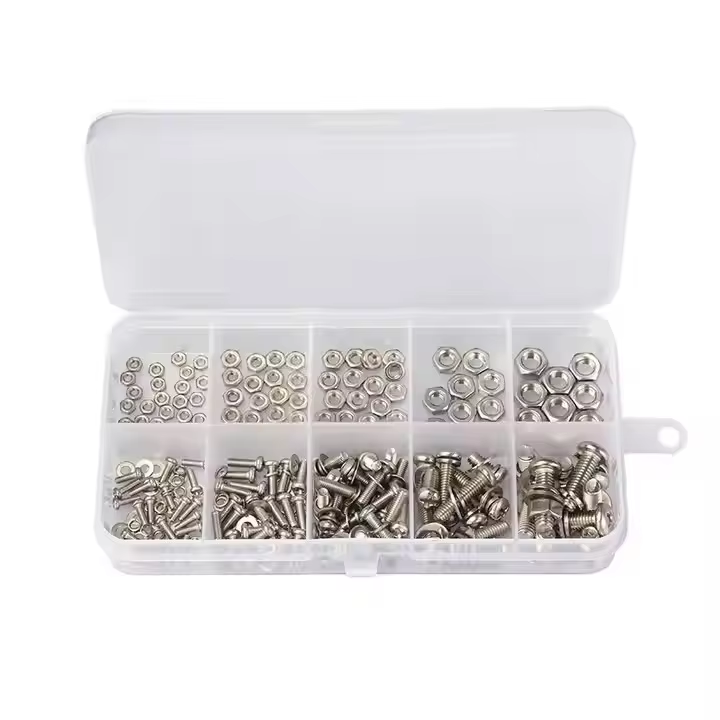
Design and Functional Advantages of the Galvanized Carriage Bolt
What Are Carriage Bolts and How Does Their Design Enable Secure Fastening?
Galvanized carriage bolts are those special kinds of fasteners meant for tight situations where only one side can be reached. These bolts have that rounded top head and a square section right below it. This square part stops the whole thing from spinning when someone tries to tighten it. That makes them really handy when working on stuff where getting to the back isn't possible. People often use these in projects connecting wood to metal parts. The way they're built lets them sit flat against surfaces without sticking out, so nothing gets caught on them. At the same time, they still hold everything together pretty solidly despite their compact design.
The Role of the Domed Head and Square Neck in Preventing Rotation
The square neck portion of this bolt slips snugly into those pre-drilled holes we see so often, or it can actually sink right into softer stuff like wood. This helps keep everything locked down tight and stops the bolt from twisting around when pressure is applied. Looking at the other end, that rounded dome shape spreads out the force over a wider area. What does this mean? Less chance of damaging whatever material we're working with, plus better grip overall. Put these two design elements together and what do we get? A solid connection without needing another tool just to hold the bolt steady during installation. Makes life much easier for folks putting up fences, decks, barns, and all sorts of outdoor structures where quick assembly matters most.
Common Applications: Wood-to-Metal and Fencing Assemblies Using Galvanized Carriage Bolts
Galvanized carriage bolts are widely used in outdoor and heavy-duty environments thanks to their zinc coating, which provides effective rust resistance. Key applications include:
- Wooden decks & fences: The square neck secures firmly in timber, while the galvanized layer withstands moisture and weathering.
- Agricultural equipment: Ideal for barns and machinery exposed to humidity and organic acids, offering durable performance at a reasonable cost.
While stainless steel may be preferable in marine or high-salt settings, galvanized carriage bolts remain a practical, cost-effective solution for most exterior construction projects.
Material Comparison: Galvanized Steel vs. Stainless Steel in Carriage Bolts
Galvanized Steel Construction: Carbon Steel Core with Zinc Coating
Carriage bolts with galvanization are typically constructed from medium carbon steel that has around 62,000 pounds per square inch of tensile strength. The hot dip galvanization process involves dipping the steel into molten zinc which creates a strong metallurgical bond between materials. What makes these coatings so effective is their dual function they serve as protective barriers against moisture while also acting as sacrificial anodes that corrode first instead of letting the base metal rust away. These bolts work pretty well outdoors for things like attaching fence posts when there isn't much contact with saltwater or other corrosive substances. But watch out if they get scraped or exposed to acidic environments because those situations will wear down the zinc coating faster than normal, significantly cutting short how long they last in really tough conditions.
Stainless Steel Alternatives: Grade 304 and Marine-Grade 316 for Enhanced Corrosion Resistance
Carriage bolts made from stainless steel typically have around 10.5% chromium content, which creates a protective oxide layer that helps prevent rusting over time. The 304 grade works well in most city and factory settings, but when saltwater exposure is a concern, marine grade 316 becomes the better choice. This version adds 2 to 3 percent molybdenum, making it much better at fighting off those pesky pits caused by chlorides in seawater. Recent research shows that after spending a decade near coastlines, 316 stainless keeps about 92% of its original strength, whereas regular galvanized steel only manages around 58%. Sure, these bolts cost anywhere from three to five times what standard options do upfront, but they actually save money long term because there's so little need for maintenance and replacements last much longer in harsh conditions.
Head-to-Head: Durability, Cost, and Lifespan of Galvanized vs. Stainless Steel Fasteners
| Factor | Galvanized Carriage Bolts | Stainless Steel Alternatives |
|---|---|---|
| Lifespan | 15-25 years (inland) | 30-50+ years (coastal) |
| Cost (per 100) | $12-$18 | $45-$130 |
| Tensile Strength | 62,000 PSI | 100,000-150,000 PSI |
| Maintenance | Annual inspection recommended | Minimal after installation |
For budget-driven projects in dry or temperate climates, galvanized bolts offer sufficient durability. In contrast, stainless steel becomes cost-competitive over time in corrosive environments due to reduced replacement and maintenance needs.
Corrosion Resistance: Evaluating Galvanized Coating Performance in Real-World Conditions
How the Galvanization Process Enhances Outdoor Fastener Durability
Galvanizing steel carriage bolts involves applying a layer of zinc that acts as both a protective shield and what engineers call a sacrificial anode. Studies indicate these coated bolts experience around 90% less corrosion than regular steel when exposed to typical industrial environments or even rural conditions, which explains why they work so well outdoors. How long they last really comes down to how thick that zinc layer is. Most hot dip galvanizing jobs end up with about 50 to 100 microns of coating. Meeting ASTM A123 specs is also crucial because those standards help guarantee the protection lasts consistently over time.
Zinc Layer Protection Against Moisture and Rust: Strengths and Mechanisms
Zinc corrodes preferentially to steel, shielding the core even at minor surface imperfections. This cathodic protection is effective in moderate climates and intermittent moisture exposure. However, scratches or micro-cracks can compromise the coating, allowing localized rust to form if the environment is highly corrosive.
Limitations in High-Salt and Coastal Environments
In coastal areas or where de-icing salts are used, chloride ions penetrate the zinc layer, accelerating corrosion. Testing indicates galvanized bolts can corrode at rates up to 0.1 mm/year in saline conditions, leading to premature failure. As a result, they are not recommended for marine infrastructure or seaside installations.
The Industry Paradox: When Galvanized Carriage Bolts Fail Despite Heavy-Duty Use
Galvanized carriage bolts get a lot of credit for being tough, but they sometimes break down faster than expected when exposed to tough conditions. Real world testing has found that pits form on these bolts after just five years in areas with salt air or acidic soils. The problems that come from this kind of failure point to something pretty obvious really - we need to pick the right materials for our fasteners based on what environment they'll actually face, not just go by what manufacturers say about how durable they are in general.
Stainless Steel in Demanding Environments: A Case Study on Saltwater Applications
Why Stainless Steel Is Preferred for Saltwater and Marine Environments
Marine environments demand materials that stand up to relentless saltwater exposure, which makes stainless steel the go-to option for most boat builders and dock operators. Regular galvanized coatings tend to wear away over time as they sacrifice themselves to protect underlying metal, but stainless steel works differently. When exposed to oxygen, it creates this thin layer of chromium oxide that acts like armor against rust and corrosion. The real workhorse in saltwater conditions is Grade 316 stainless, which contains extra molybdenum to fight off those pesky pits and cracks that form in crevices. Boat manufacturers rely on this grade for everything from cleats and winches to structural components in areas where seawater constantly splashes or pools. The added protection means these parts last longer without needing replacement, making them a smart investment despite the higher initial cost.
Corrosion Rates Compared: Galvanized vs. 316 Stainless Steel in Saltwater Exposure
Saltwater testing shows that galvanized carriage bolts rust away about 15 to 20 times faster than 316 stainless steel counterparts. Galvanized hardware tends to hold up for around 8 to 12 years in areas with moderate weather conditions, but things change dramatically near coastal regions. When exposed constantly to ocean spray, these bolts typically give out after just 2 or 3 years. The situation looks much better with 316 stainless steel though. Its corrosion rate stays well under 0.002 mm per year, making it highly resistant even in harsh tidal environments where constant wetting and drying would normally accelerate damage to other materials.
Real-World Example: Marina Railing Systems Using Marine-Grade Fasteners
A 2022 marine construction study evaluated railing systems at a Florida marina that transitioned from galvanized to 316 stainless steel fasteners. After five years of saltwater exposure:
| Metric | Galvanized Bolts (2017-2019) | 316 Stainless (2019-2022) |
|---|---|---|
| Visible Rust Formation | 89% of fasteners | 4% of fasteners |
| Structural Integrity Loss | 34% | 0% |
The stainless steel components showed no measurable loss in strength, confirming their reliability in safety-critical marine applications.
Best Practices for Selecting Between Galvanized Carriage Bolts and Alternatives
When to Choose Galvanized Carriage Bolts: Ideal Use Cases and Cost Efficiency
Galvanized carriage bolts work well in outdoor settings where there's only light moisture now and then, think fencing around yards, wooden decks, or parts of farm machinery. The zinc layer on these bolts gives about three to four times better protection against rust compared to regular carbon steel without any coating. They hold up pretty good under weights around 200 pounds too. Priced between 20 cents to 50 cents each, which is roughly half what stainless steel bolts would cost, they represent solid value for money when working on projects away from the coast. Just don't go putting them near ocean areas or places where roads get salted during winter, since the chloride in those environments tends to eat away at the zinc coating pretty fast, usually within a year or so.
Identifying Scenarios That Demand Stainless Steel or Other Alternatives
When it comes to permanent installations in places like boats, chemical plants, or areas with lots of moisture, stainless steel carriage bolts (grades 304 or 316) just make sense. The marine grade 316 version stands up against rust way better than regular galvanized steel when exposed to saltwater. Some lab tests show it can last around eight times longer before showing signs of corrosion. A recent study from 2023 looked at actual marina railings and found that galvanized bolts started failing within two years, whereas those made from 316 stainless kept working properly for over ten years without issues. Structures where safety matters most or maintenance is difficult often justify the extra cost upfront because these bolts simply last much longer and pose fewer risks of sudden failure down the road.
FAQs
What is the main advantage of using galvanized carriage bolts?
Galvanized carriage bolts are valued for their rust resistance and cost-effectiveness, making them ideal for outdoor projects with light moisture exposure.
Why are stainless steel carriage bolts preferred in marine environments?
Stainless steel bolts, particularly marine-grade 316, offer superior corrosion resistance to saltwater, prolonging lifespan and reducing maintenance needs.
Can galvanized carriage bolts be used in coastal areas?
While effective inland, galvanized bolts are not recommended for coastal use due to accelerated corrosion from chloride exposure.
Table of Contents
- Design and Functional Advantages of the Galvanized Carriage Bolt
- Material Comparison: Galvanized Steel vs. Stainless Steel in Carriage Bolts
- Corrosion Resistance: Evaluating Galvanized Coating Performance in Real-World Conditions
- Stainless Steel in Demanding Environments: A Case Study on Saltwater Applications
- Best Practices for Selecting Between Galvanized Carriage Bolts and Alternatives
- FAQs