 EN
EN

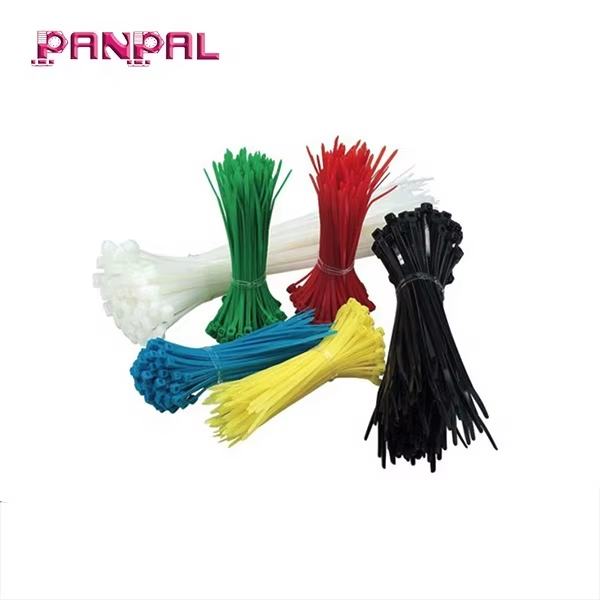
Why Colored Cable Ties Are Essential for Visual Cable Identification
How color coding reduces human error by up to 47% in complex wiring environments
When working with crowded electrical panels or server racks, getting cable identification wrong can lead to some serious problems down the road. Research from Ponemon Institute back in 2023 found that proper color coding cuts down on mistakes made by people working in complicated wiring setups by around half. Electricians can spot important circuits much faster now, especially those emergency power lines going into automatic transfer switches, which means they spend about a third less time figuring out what went wrong when something breaks. The simple act of labeling wires visually stops technicians from accidentally pulling out the wrong connections while doing routine maintenance work, and we all know how expensive unexpected equipment shutdowns can be for businesses.
Industry-standard color conventions: Power (red), data (blue), grounding (green), and sector-specific variations
Color coding has become pretty standard across most facilities these days. Red typically marks live power lines, blue is used for data and communication cables, and green indicates grounding points. Different sectors build upon this basic scheme though. The medical field often goes with purple for patient monitoring equipment, whereas planes tend to use bright yellow for those critical flight control systems. Keeping things consistent really helps during inspections and makes sure everyone follows the IEC 60446 rules about wiring. Many maintenance teams actually see around 20-25% improvement in fixing problems quickly when they stick to these color codes. Makes sense really - who wants to waste time figuring out what wire does what?
Colored Cable Ties in Professional Cable Management Systems
From simple bundling to structured infrastructure mapping: functional evolution of colored cable ties
Cable ties come in colors now, not just plain old plastic clips anymore. They've become something much more useful for engineers who need to see what's going on in all those tangled wires. Regular white or black ties just hold things together, but when they're colored, they actually help with facility management. Red means main power lines, yellow is for backup stuff, and blue gets used for data lines. This color coding makes fixing problems way faster in big data centers where there are literally thousands of connections according to ISO standards. When systems get bigger, these colors really matter because techs can tell at a glance whether they're looking at HVAC controls or security wiring in industrial panels. Mistakes happen less often too - around 41% fewer according to NFPA reports from last year. And the colors stay put for over five years outside thanks to special UV stable pigments, so maintenance crews don't end up guessing what each wire does. Companies that implement proper color schemes save about 220 man hours every year for every 10,000 cables they manage. That adds up to roughly $74,000 saved annually, which shows that smart color choices aren't just about neatness but actually pay off in real money terms.
Safety, Compliance, and ROI: Tangible Benefits of Color-Coded Organization
Quantified downtime reduction and labor savings in data centers and industrial control panels
When something goes wrong in places where operations matter most, like big data centers or factory control rooms, the cost can be staggering. We're talking around $740,000 for each unexpected shutdown according to Ponemon's 2023 report. That's why many facilities are turning to colored cable ties these days. The difference is night and day when it comes to figuring out problems. Technicians working on circuits spot what needs fixing about two thirds quicker when there's a color code system instead of just random wires everywhere. And let's face it, mistakes happen less often when everyone can actually see what they're dealing with. Repairs take almost half the time too in those complicated electrical setups. Just imagine what this means for one of those massive cloud computing centers running nonstop. They could save nearly $2.3 million every year simply from avoiding delays and errors that come from not knowing which wire is which.
- Accelerated fault isolation – Red power ties instantly flag critical circuits, halving diagnostic steps
- Preventive maintenance efficiency – Auditors verify compliance routes 40% faster using color-coded pathways
- Training cost reduction – New technicians achieve proficiency in 3 days versus 3 weeks with monochrome systems
When facilities adopt standard colors for their wiring systems red for power lines, blue for data connections, green for grounding they create something that sticks around even when staff changes over time. The numbers back this up too places that organize cables by color see about 31 percent savings on labor during maintenance work and roughly 22 percent fewer problems with regulations each year. So those colorful cable ties aren't just pretty to look at they actually make operations run better, saving money and headaches in the long run instead of being some superficial decoration.
Integrating Colored Cable Ties with Digital Traceability Tools
Hybrid identification: pairing colored cable ties with QR-coded labels and CMMS integration
When we combine colored cable ties with those QR code labels, it actually creates something pretty smart for identifying things both physically and digitally. Color coding works wonders too. Red means power circuits, blue is all about data lines, so folks can spot what they need right away when doing maintenance work. And those QR codes? They connect straight to digital records stored in a CMMS system. Inside there's everything from when stuff was installed to diagrams and past service notes. According to some recent studies from 2024 on maintenance efficiency, this mixed approach cuts down on mistakes made while tracing cables by almost half in factories and plants. Techs save time because they just scan these ties rather than digging through paper files or computer databases. The best part might be those proactive alerts from the CMMS software that tell us when parts should be replaced before anything breaks down completely. This saves companies around 30% in downtime costs. Plus facilities that have adopted this whole system see their training expenses drop by about 25%, since new hires pick up standard procedures much quicker.
FAQ
What are colored cable ties used for?
Colored cable ties are used for visual cable identification, allowing technicians to quickly spot important circuits, reduce human error, and enhance facility management.
How do colored cable ties contribute to safety and compliance?
Colored cable ties help to organize wiring systems according to standard colors like red for power lines and blue for data connections, enhancing safety and compliance while reducing downtime and labor costs.
Can colored cable ties be combined with digital tracking methods?
Yes, combining colored cable ties with QR codes allows for hybrid identification, linking physical labels to digital records and improving maintenance efficiency.