 EN
EN

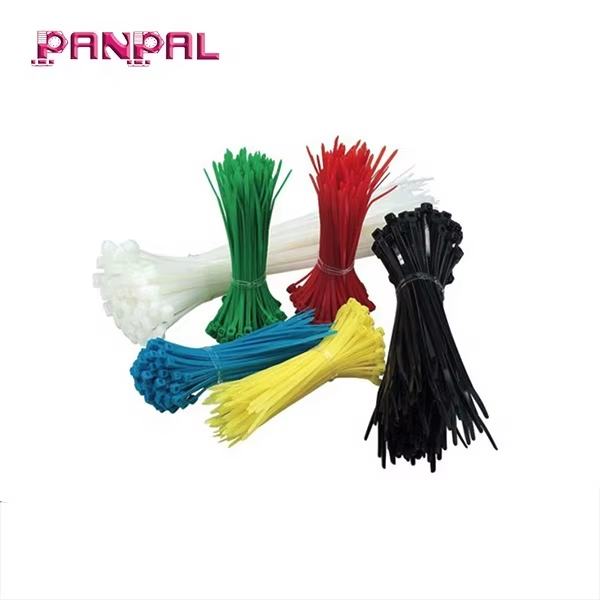
Strategic Cable Tie Applications That Drive Operational Efficiency
Time and Labor Savings in Construction and Industrial Wiring Projects
Using cable ties makes wiring jobs go much faster because they bundle and secure wires so quickly, which definitely boosts productivity on the job site. When it comes to electrical work, workers who stick to standard tying methods can finish running conduits and installing panels about 30 to 40 percent quicker than those who don't. Maintenance crews in factories often grab reusable cable ties during scheduled shutdowns since cutting bolts takes forever and getting equipment back online is always urgent. Some real world testing at manufacturing plants found that when technicians assemble wires ahead of time and fasten them with UV proof ties, they end up redoing less wiring work overall, saving companies around a quarter of their labor expenses. And let's not forget color coded ties either. These little things make a big difference when dealing with massive installations, letting electricians spot different circuits instantly while organizing materials before turning everything on for the first time.
Safety-Critical Uses: Hazard Marking, Temporary Securing, and Clutter-Free Cable Management
Bright colored cable ties work great for marking hazards around the shop floor and they meet those OSHA standards for temporary barriers too. The snap off feature comes in handy when workers need to get access quickly during emergency repairs without wasting time cutting through knots. In areas where machines vibrate constantly, technicians often loop the ties twice around conduits instead of once. Maintenance records show this simple trick cuts failures down by roughly 70 percent over time. Keeping cables spaced properly isn't just good practice it's actually required by NEC rules for separating power lines from data lines. When installing, many electricians angle the bundles slightly to maintain that critical bend radius everyone talks about. Good cable management does more than look neat it stops people from tripping in control rooms and prevents dangerous arcs when cables shift unexpectedly during routine maintenance checks.
Best Practices for Bundling and Securing Diverse Cable Types with Cable Ties
Power, Data, and Hybrid Cable Bundling: Spacing, Orientation, and Layering Guidelines
Group cables by function—power, data, and control—to minimize electromagnetic interference and simplify troubleshooting. Maintain spacing of 1.5–2 times the largest cable diameter between parallel bundles to support thermal dissipation and airflow. For hybrid tray installations:
- Place heavy-gauge power cables at the bottom of trays to bear weight without compressing sensitive conductors
- Position data and communication cables above to avoid crushing or signal distortion
- Use vertical dividers or physical separators where cross-routing is unavoidable
Adhere strictly to manufacturer-specified bend radii: typically 8× the outer diameter for copper data cables and 20× for fiber optic assemblies.
Preventing Damage: Strain Relief, Bend Radius Control, and Mechanical Stress Mitigation
Over-tightening remains the leading cause of cable tie–related failures—increasing insulation damage risk by 60% in high-vibration settings. Effective mitigation includes:
- Strain relief: Secure cables within 3 inches of termination points using releasable ties
- Bend control: Enforce smooth, gradual curves exceeding minimum bend radii
- Pressure distribution: Add padded sleeves or spacers at tie-down points to prevent localized stress
For mission-critical infrastructure, install redundant ties at 12-inch intervals to contain localized failures. UV-stabilized ties are mandatory for outdoor use to prevent polymer embrittlement and premature fracture.
Failure Mitigation Checklist:
- Avoid contact with sharp edges or abrasive surfaces
- Never exceed 80% of the tie's rated tensile strength during installation
- Prioritize releasable ties in areas requiring frequent access or adjustments
- Trim excess tie tails flush to eliminate laceration and snagging hazards
Selecting the Right Cable Ties: Material, Environment, and Safety Compliance
PA66, Stainless Steel, and Releasable Cable Ties Compared—Strength, UV Resistance, and Thermal Limits
When picking materials, it's important to consider both what the environment requires and how well they perform under those conditions. PA66 nylon is pretty good stuff for most indoor jobs because it can handle decent pulling forces ranging from about 50 to 250 pounds and generally costs less than alternatives. But if these nylon parts need to stay outside, manufacturers usually have to treat them with something extra to protect against sunlight damage. Stainless steel fasteners are another option altogether. They pack serious punch with strengths over 400 pounds, resist rusting even when wet or salty, and work reliably whether super cold at minus 40 degrees Fahrenheit or blazing hot near 1000 degrees F. That makes them great choices for factories, boats, or anywhere temperatures swing wildly. There are also special nylon ties that let workers adjust tightness without cutting anything apart, which comes in handy during regular maintenance checks. These do have similar temperature limits as regular PA66 though, topping out around 185 degrees Fahrenheit. So when deciding what to use, think about what matters most for each situation: go with stainless steel if things get rough and tough, stick with PA66 when flexibility and economy count, and opt for those adjustable versions whenever being able to tweak settings beats having maximum strength every time.
Avoiding Failure Modes: Over-Tightening, Chemical Incompatibility, and Certification Requirements (UL, RoHS, REACH)
To avoid those frustrating failures down the road, proper specs and careful installation matter a lot. When tightening cables, going too far can actually damage insulation and snap ties right off. Smart installers know to grab tension limiting tools and stick to around 80% of what the cable can handle under stress. Don't forget about chemicals either. Many materials break down when exposed to harsh substances. Always check those chemical resistance charts from manufacturers before exposing equipment to solvents, oils, or acidic environments. And let's face it, regulations aren't just suggestions here. Compliance isn't optional if we want to keep operations running smoothly without constant headaches from preventable issues.
- UL 62275 certifies fire safety performance for building-integrated cable management
- RoHS and REACH ensure absence of restricted hazardous substances (e.g., lead, cadmium, phthalates)
- ISO 178 validates mechanical property consistency under standardized testing
In regulated sectors like food processing or medical device manufacturing, FDA-compliant materials are required. Always cross-reference manufacturer datasheets—not just marketing claims—with actual operating conditions including temperature, exposure duration, and mechanical loading.
FAQ
What are the advantages of using cable ties in construction and industrial projects?
Cable ties increase efficiency by allowing faster bundling and securing of wires, streamline electrical work, and reduce labor expenses.
How do cable ties contribute to safety in the workplace?
Brightly colored cable ties assist in hazard marking and maintaining clutter-free cable management, reducing risks of tripping and damage.
What are the factors to consider when choosing cable tie materials?
Consider environmental conditions and performance requirements, like strength, UV resistance, and thermal limits when selecting cable tie materials.
How can over-tightening of cable ties be avoided?
Use tension limiting tools and maintain tension not exceeding 80% of the cable's rated strength to prevent damage and failure.