 EN
EN

The Real Problem With Eye Bolt Installation
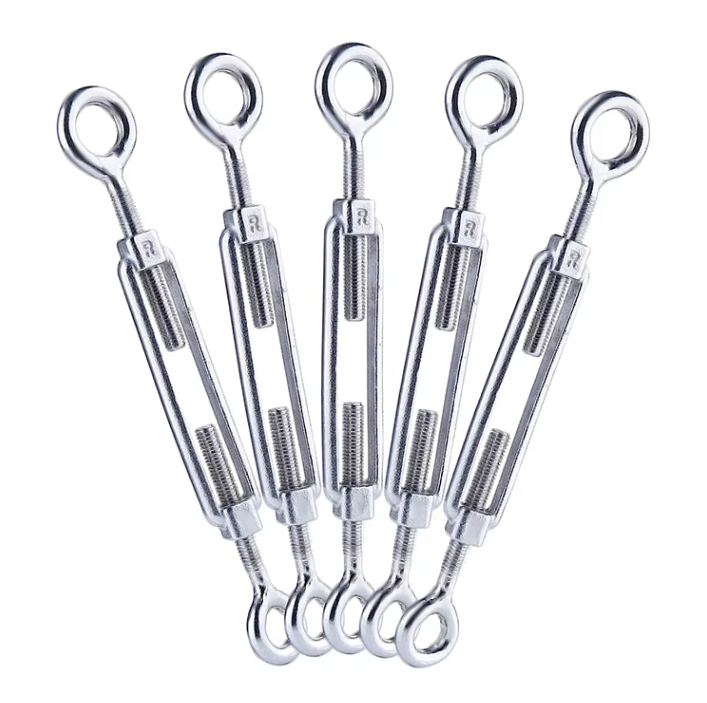
An eye bolt looks simple enough. Threaded shank, circular loop on top, screw it in and call it done. Anyone who has spent time on a job site knows that is not how it works. The moment torque gets applied to the shank, the eye starts to rotate. The loop ends up facing a direction nobody planned for, the threads may cross, and the whole assembly loses its load-bearing orientation.
The core issue is that tightening and twisting are the same motion when force travels through the eye itself. Solve that conflict, and the installation becomes predictable. Ignore it, and a hardware failure is just a matter of time.
Why Torsional Stress Quietly Ruins the Joint
When an eye bolt is turned by the loop, the shank experiences torsional stress along its axis. That stress does not disappear once the wrench comes off. It stays locked in the threads and the surrounding material. Over time, vibration and dynamic loads can cause the bolt to back out or, worse, shear at the thread root.
A common field mistake is using the eye as a lever point. The logic seems fine at first: the loop is right there, it is easy to grab, and a cheater bar fits nicely. What gets overlooked is that the eye is designed for tensile and angular loads, not for transmitting torque into the shank. The geometry that makes it strong in tension makes it vulnerable to twisting force.
There is also the thread engagement problem. If the eye bolt is not seated deep enough, the load concentrates on fewer threads. Combined with residual torsion, the joint can fail well below its rated capacity. This is not a theoretical concern. It shows up in real inspections all the time.
Backing Nut Method That Actually Holds Orientation
The most reliable way to tighten an eye bolt without twisting it is to use a backing nut or a jam nut on the underside of the mounting surface. The sequence matters:
-
Thread the eye bolt through the mounting hole until the desired eye orientation is reached.
-
Hold the eye steady by hand or with a soft strap.
-
Thread the backing nut onto the exposed shank from below.
-
Tighten the backing nut against the mounting surface using a wrench on the nut, not on the eye.
-
Once snug, verify the eye has not rotated out of position.
This method transfers the tightening torque to the nut and the mounting surface, leaving the eye bolt shank free from torsional load. The eye stays where it was set. The joint is tight. Nothing twists.
For blind holes or applications where a backing nut is not accessible, a slotted insert or a keyed washer can serve a similar purpose. The principle is the same: create a reaction point that is not the eye itself.
When a Spanner Wrench or Specialized Socket Makes Sense
Some eye bolts come with a hex or square shoulder machined into the shank just below the eye. That shoulder exists for a reason. A spanner wrench or a deep socket that fits over the shank can apply torque directly to the shank while the eye remains untouched.
This approach is common in overhead lifting and rigging setups where orientation is critical. The downside is that not all eye bolts have that shoulder. Cheap hardware often skips it to save cost. If the bolt does not have a wrench flat or shoulder, forcing a spanner onto the shank can damage the threads or the surface finish.
A strap wrench around the shank is another option, but it offers limited torque and can slip on oily or coated surfaces. It works for light duty, not for structural connections.
The Comparison Table: Methods at a Glance
| Method | Prevents Eye Twist | Torque Capacity | Tool Requirement | Best Use Case |
|---|---|---|---|---|
| Backing nut / jam nut | Yes | High | Open-end wrench | Through-hole mounting |
| Spanner wrench on shank shoulder | Yes | Medium to high | Spanner or deep socket | Lifting and rigging |
| Strap wrench on shank | Partially | Low | Strap wrench | Light-duty, temporary |
| Turning by the eye | No | Variable | None | Not recommended |
| Keyed washer or slotted insert | Yes | Medium | Standard wrench | Blind holes |
The data in this table comes from standard mechanical assembly practice and is consistent with guidance found in ASME B30.26 for rigging hardware. That standard emphasizes that load-bearing components should not be subjected to unnecessary torsional stress during installation.
A Field Case From a Chemical Plant Retrofit
A few years back, a maintenance crew was retrofitting pipe supports in a chemical plant in the southern United States. The original eye bolts had been installed by turning the eye with a pipe wrench. Within eighteen months, several had backed out and two had sheared at the thread root. The failure analysis pointed to a combination of insufficient thread engagement and residual torsional stress from installation.
The fix was straightforward. The crew switched to a backing nut method for all through-hole connections and used shank-shoulder sockets where a nut was not possible. Installation time increased by about fifteen seconds per bolt. The rework rate dropped to zero over the next two years of inspections.
That case illustrates a simple point. The extra step costs almost nothing. The failure costs a lot.
Practical Takeaways for Any Job Site
Orientation matters. A twisted eye bolt may still hold a load, but it will not hold it in the direction the design intended. Always verify the eye is facing the correct way after tightening.
Thread engagement should meet or exceed the bolt diameter. Less engagement means the load is concentrated on fewer threads and the joint is more sensitive to torsion.
Inspection should include a check for backed-out or rotated eye bolts, especially in vibrating or dynamic applications. A paint mark across the bolt and mounting surface makes it easy to spot movement.
For buyers sourcing eye bolts in bulk, the manufacturing details matter. Zhongsheng Hardware, based in Wenzhou, has been producing DIY hardware assortments and blister-packed fasteners since 1993. The company's experience with PS, PP, ABS, and PVC blister packaging means eye bolts arrive organized, protected, and ready for distribution. Custom manufacturing according to client specifications is also part of the service mix. For distributors and retailers looking for a supply partner with a long track record in hardware assortment packaging, that kind of background is worth a conversation.
Table of Contents
- The Real Problem With Eye Bolt Installation
- Why Torsional Stress Quietly Ruins the Joint
- Backing Nut Method That Actually Holds Orientation
- When a Spanner Wrench or Specialized Socket Makes Sense
- The Comparison Table: Methods at a Glance
- A Field Case From a Chemical Plant Retrofit
- Practical Takeaways for Any Job Site