 EN
EN

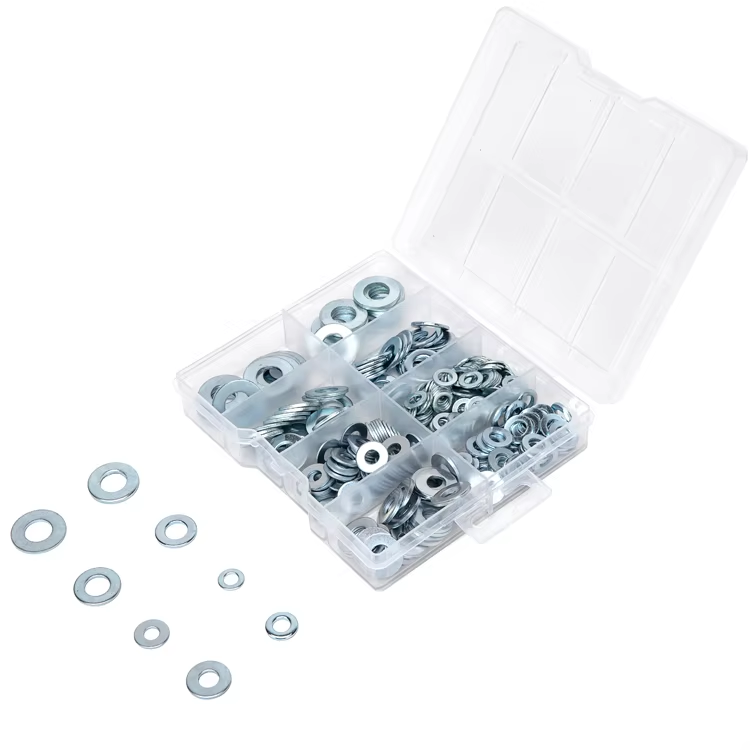
How Rubber Washers Create Reliable Compression Seals
The Physics of Compression Sealing in Threaded and Flanged Joints
As we tighten those threaded pipe fittings or flanged connections, what happens is that the rubber washer gets squeezed right between those mating surfaces. It kind of flows into all those tiny little bumps and scratches on the metal where the parts meet. Now here's something interesting about rubber compared to those stiff old seals. Because of how rubber behaves when compressed, it actually molds itself around whatever shape it needs to create a solid seal that blocks any possible leak paths. What this does is generate pressure that pushes outwards from the center of the bolt. This helps maintain a good seal even if there are slight misalignments or rough spots on the surfaces that aren't perfect. After all, nobody works with flawless materials in actual plumbing installations.
Elastic Recovery and Surface Conformity: Why Rubber Outperforms Rigid Seals
The way rubber molecules are arranged gives it this cool elastic recovery thing, basically meaning it can bounce back from being squished. What makes rubber really useful is how it maintains good seal pressure even when things get hot and cold repeatedly, shake around, or just relax over time. Most other materials like plastics or brittle stuff tend to break contact when stressed out. According to research on fluid movement, rubber handles uneven surfaces about five times better than stiff materials do. That's why rubber stands out so much for applications that need to last a long time while moving around, where regular seals simply wouldn't hold up.
Selecting the Right Rubber Washer: Material, Durometer, and Application Fit
NBR, EPDM, and Silicone Compared: Water Resistance, Temperature Limits, and Chemical Compatibility
What materials we choose really affects how well components perform under different temperatures, chemicals, and environmental factors. Take NBR rubber for instance. It stands up pretty well against oils and fuels between minus 40 degrees Fahrenheit and 225 degrees Fahrenheit, but watch out for ketones and places where there's lots of ozone around because it starts breaking down there. EPDM rubber works great for water systems, steam applications, and outside installations. The stuff can handle ozone exposure remarkably well and functions reliably from as cold as minus 50 degrees all the way up to 300 degrees Fahrenheit. However, put it near petroleum products and it'll swell up fast. Silicone takes things to another level with temperature ranges spanning from minus 100 degrees to an impressive 450 degrees Fahrenheit. Plus it carries NSF certification for drinking water applications. Still, don't expect much durability in situations involving high shear forces since silicone doesn't have great tear resistance. When selecting materials, engineers need to consider not only what temperature range they're dealing with but also the specific fluids involved and overall working conditions. Getting this right prevents problems like early swelling, hardening, or cracking that can lead to costly failures down the line.
Durometer Trade-Offs: Why Softer Isn't Always Better for Long-Term Leak Prevention
Rubber hardness measured by Shore A durometers plays a big role in how seals last over time and how they behave during installation. Soft washers rated below 50A will mold themselves nicely around irregular surfaces, but these softer materials tend to squeeze out (extrude) when pressure builds up, experience cold flow issues, and develop compression set much faster when kept under constant stress. On the flip side, harder washers above 70A don't deform easily and stand up better to wear and tear, though they require more force to install properly and might not create good seals against rough or warped surfaces. For everyday plumbing jobs, the sweet spot usually falls somewhere between 50 and 70A. This middle ground gives enough flexibility for the material to adapt initially while still maintaining strength over time. Plus, parts within this range work well with automated machinery and sidestep that classic problem where something installs too easily but doesn't last very long.
Rubber Washer Applications Across Plumbing Systems
Flat, Beveled, and Bonded Rubber Washers — Design Intent and Sealing Performance
Flat rubber washers work best when we need uniform compression across their entire surface area. These are great for things like faucet bases and showerhead connections where pressure needs to spread evenly so water doesn't leak out through tiny gaps between parts. Then there's the beveled type which focuses all that compression on just one small edge instead. This creates what looks kind of like a pressure cone effect, making them really good at sealing tight spots in high pressure situations or where components aren't perfectly aligned, think steam valves or those tricky pipe unions everyone hates dealing with. Lastly, bonded washers have this clever design where rubber is combined with a hard plastic center inside. They bounce back after being compressed while still keeping their shape over time, which makes them essential for places like pump housings and motorized valves that get shaken up constantly from vibrations day after day.
| Washer Type | Sealing Mechanism | Optimal Use Case |
|---|---|---|
| Flat | Full-face compression | Faucet bases, showerhead seals |
| Beveled | Edge-focused pressure cone | Steam valves, pipe unions |
| Bonded | Vibration-dampened layered compression | Pump housings, motorized valves |
According to research published in the Polymer Engineering Journal back in 2022, EPDM flat washers still hold up pretty well maintaining around 95% leak resistance even after going through 10,000 thermal cycles. Meanwhile, those silicone bonded versions can handle pulsations at 250 PSI without showing signs of fatigue. The beveled NBR washers are interesting too because they actually cut down on installation torque needs by about 30%. This makes them really useful for tight spaces where getting a good seal matters most. Looking at how these different designs work against various problems helps explain why engineers choose one over another. Flat washers mainly tackle those tiny micro leaks that can sneak through. Beveled ones stop blowouts when there's sudden pressure spikes. And the bonded variants? They're basically the solution for preventing seal walkout issues in systems that move around constantly.
Innovations in Rubber Washer Technology for Proactive Leak Prevention
UV-Stabilized EPDM with Swell Agents: Enabling Early Detection Without Sacrificing Seal Integrity
New generation UV stabilized EPDM washers now contain these special microencapsulated swell agents that actually react when they meet moisture. When water first touches them, they expand just enough to make those little bulges appear right where leaks might start forming. Maintenance crews get this early warning sign so they can fix problems before any actual leaking happens, and still keep the washer strong enough for its job. The UV protection means these washers last longer outside, and because EPDM naturally bounces back after stretching, there's no lasting damage from the swelling effect either. Looking at real world tests on city water systems, places using these new washers saw around 62 percent fewer emergency repair calls than those stuck with regular EPDM versions. Pressure ratings stay solid above 150 psi too, so nobody has to worry about performance drops. What we're seeing here is basically smart material science combining both proactive maintenance features with the kind of reliable sealing everyone needs.
FAQ
Q: What makes rubber washers better than rigid seals?
A: Rubber washers excel due to their elastic recovery and ability to conform to surfaces, maintaining seal pressure under various conditions, unlike rigid materials.
Q: How do rubber washers handle temperature variations?
A: Different rubber formulations handle varying temperatures. For instance, EPDM suits extreme cold to hot temperatures, while silicone has a vast range but lower shear resistance.
Q: Why is durometer important in selecting rubber washers?
A: The durometer level determines a rubber washer's flexibility and resistance to wear. Softer washers adjust better but might extrude under pressure, whereas harder ones resist deformation.
Q: How can innovations in rubber washer technology prevent leaks?
A: Innovations like UV-stabilized EPDM washers with swell agents offer early leak detection without compromising sealing integrity, enhancing proactive maintenance.