 EN
EN

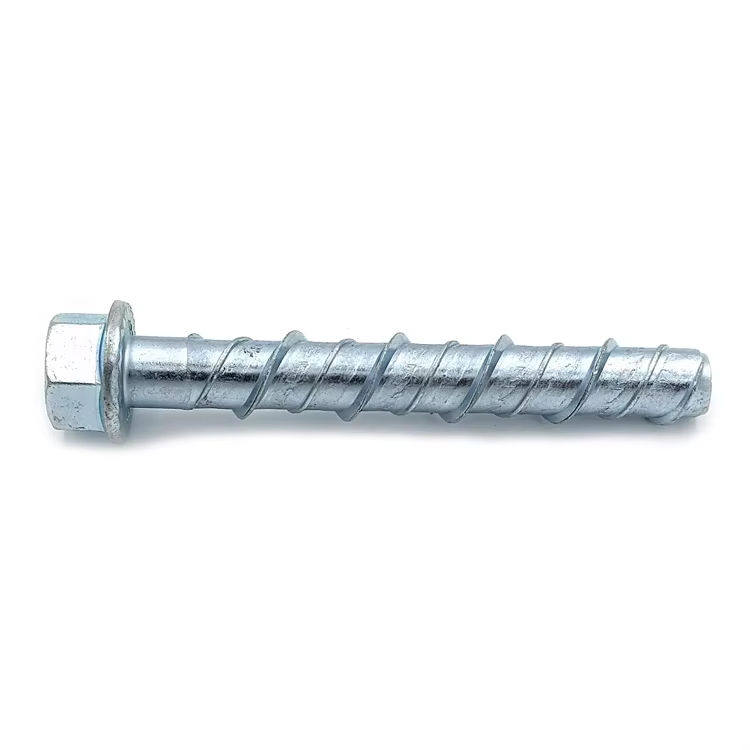
Corrosion Resistance of Stainless Steel Screw Sets in Demanding Environments
How corrosion resistance defines the performance of stainless steel fasteners
Stainless steel screws really stand out because they resist corrosion so well, especially important for things built outdoors or used in construction projects. When there's around 10.5% chromium present, something interesting happens when these screws come into contact with oxygen from the air. They form what's called a chromium oxide layer naturally. Think of it as a protective shield that keeps rust away and stops chemicals from breaking down the metal over time. Even if the surface gets a little damaged during installation, this protection still works pretty well. Regular coated fasteners don't handle scratches nearly as gracefully though. Once those coatings get scratched off, the underlying material starts to corrode much faster. That's why stainless steel stays strong and reliable for years in places exposed to rain, high humidity levels, or industrial pollutants that would eat through ordinary fasteners within months.
Environmental conditions affecting screw performance in outdoor and marine applications
Fasteners used outdoors or at sea face serious corrosion problems. Coastal regions have salt spray that gets into metals through their weakest spots, causing pits and crevices to form over time. Factories and industrial sites are no better either, as they throw around sulfur stuff and acidic rain which eats away at surfaces much faster. When there's lots of moisture in the air plus big temperature swings day to day, condensation builds up and starts those nasty galvanic reactions happening between different types of metals joined together. The numbers tell us something too marine environments see corrosion happening anywhere from 5 to even 10 times quicker compared to what happens on land. That means picking the right materials isn't just important it's absolutely essential if we want these fastening solutions to last any length of time without failing.
Comparing A2 (304) and A4 (316) stainless steel grades in aggressive environments
When selecting stainless steel screw sets for harsh conditions, the choice between A2 (304) and A4 (316) significantly impacts durability. The key differentiator is molybdenum, which enhances chloride resistance:
| Property | A2 (304) Stainless Steel | A4 (316) Stainless Steel |
|---|---|---|
| Molybdenum Content | None | 2–3% |
| Chloride Resistance | Moderate | Excellent |
| Ideal Application | Indoor/mild climates | Marine/coastal zones |
| Cost Factor | Lower | 20–30% higher |
A4 (316) grade is the preferred choice for marine infrastructure, offshore platforms, and coastal construction due to its superior resistance to salt-induced corrosion.
Case study: Long-term durability of stainless steel screw sets in coastal construction
Looking at balcony railings placed within about 200 meters from the ocean over a period of 15 years shows just how different various fasteners perform. Railings that used A4 (316) stainless steel screws kept around 98% of their original strength, with only minor surface discoloration even after constant exposure to salty sea air. Things look very different for galvanized fasteners though. These need complete replacement roughly every three to five years because they corrode so badly. When we factor in all those extra costs, the longer lasting stainless steel option actually cuts down on total expenses by somewhere between 60 and 70%. No more regular maintenance visits or replacing parts means significant savings in the long run for property owners dealing with coastal environments.
Strength and Structural Performance of Stainless Steel Screw Sets
Mechanical strength and structural performance of stainless steel fasteners under load
Stainless steel screws hold up well when subjected to tension forces, shear stresses, and all sorts of dynamic loads that regular fasteners might struggle with. What makes them special is their austenitic grain structure which spreads out stress evenly along the threaded sections, so there's less chance of cracks forming or the metal bending out of shape. Even in places where things shake constantly, these bolts keep their grip tight, which is why engineers specify them for critical structural connections where people's lives depend on things staying put. Another plus point? As they get used over time, stainless actually gets stronger through work hardening, giving it an edge over standard carbon steel options in terms of long term durability and resistance to failure.
High strength and durability in high-stress construction zones
Stainless steel screws really shine in tough situations like earthquake proof buildings, heavy machinery installations, and bridge parts. These screws have amazing strength that stops them from bending permanently when subjected to constant or repeating forces, which means they keep their shape over time. Regular coated fasteners tend to crack at the microscopic level after being stressed repeatedly, but stainless steel stays intact structurally, so there's less chance of catastrophic failures. For this reason, engineers across the construction sector rely on these screws for vital structures where something going wrong with the bolts could put lives at risk.
Data insight: ASTM and ISO standards for tensile strength in stainless steel screws
To ensure structural reliability, stainless steel fasteners are manufactured to meet rigorous international standards. ASTM F593 and ISO 3506 define mechanical property classes based on tensile strength, yield strength, and elongation:
| Grade | Minimum Tensile Strength (MPa) | Yield Strength (MPa) | Elongation (%) |
|---|---|---|---|
| A2-70 | 700 | 450 | 12 |
| A4-80 | 800 | 600 | 10 |
These standards guarantee that stainless steel screw sets meet minimum performance thresholds for critical applications. Grade A4-80 fasteners, for example, offer 14% higher tensile strength than A2-70 while maintaining superior corrosion resistance, making them suitable for offshore and heavy industrial use.
Total Cost of Ownership: Upfront Price vs. Long-Term Savings with Stainless Steel Screw Sets
Breaking Down the Upfront Cost Comparison of Stainless Steel Screws
Stainless steel screws generally run about two to three times what carbon steel or galvanized ones do because they contain more alloys and require much more precise manufacturing processes. What makes them worth the extra bucks? They've got chromium, nickel mixed in there, sometimes even molybdenum for the A4 grade stuff. These elements give stainless steel its natural resistance to rust so no special coatings are needed on top. Sure, paying more upfront might seem steep at first glance, but it actually saves money down the road since there's no need for protective treatments later on. Plus, parts made from stainless steel tend to last longer before failing unexpectedly compared to cheaper alternatives.
Cost Considerations of Stainless Steel vs. Carbon Steel and Galvanized Fasteners
A lifecycle cost comparison reveals the economic advantages of stainless steel despite its higher initial price:
| Factor | Carbon Steel | Galvanized | Stainless Steel |
|---|---|---|---|
| Initial Cost | $0.08–$0.12 per unit | $0.10–$0.15 per unit | $0.25–$0.40 per unit |
| Replacement Frequency | 3–5 years | 5–8 years | 25+ years |
| Maintenance Costs | Annual inspections | Biannual inspections | Minimal to none |
In corrosive environments like coastal regions, carbon steel fasteners often fail within 18 months, necessitating frequent replacements. Stainless steel variants, by contrast, can remain functional for decades with little to no maintenance.
Calculating Cost Savings Over Time Through Reduced Replacement and Maintenance
Stainless steel screws can actually save between $1.20 to $2.50 each over 20 years compared to cheaper alternatives. The math adds up when considering all those replacement costs nobody wants to think about. Labor alone runs anywhere from $45 to $75 an hour whenever someone needs to replace worn out fasteners. Then there's the wasted materials and lost productivity during system shutdowns which happen roughly 12 to 30 times annually for setups using inferior hardware. For big construction jobs or industrial facilities with massive infrastructure requirements, these small savings multiply dramatically. Think about warehouses, bridges, or manufacturing plants installing tens of thousands of fasteners throughout their operations. Suddenly what looks like pennies on the dollar becomes real money saved over time.
Strategy: Total Cost of Ownership Model for Fastener Selection in Commercial Projects
Smart contractors and engineering teams have started relying on total cost of ownership calculations when deciding whether to go with stainless steel fasteners despite their higher upfront price tag. According to recent research from the construction sector published in 2024, office buildings equipped with stainless steel screws actually saved around 34% on maintenance and replacement expenses throughout a 30 year period versus similar structures fitted with galvanized options. The math works because several important variables factor into these long term savings equations. Think about how often workers need to replace corroded hardware in coastal regions versus inland locations, or consider the extra time crews spend climbing scaffolding just to fix rusted connections in hard to reach spots. Warranty coverage matters too, since most stainless steel products come with longer guarantees than their counterparts made from other metals.
Maintenance Requirements and Service Life of Stainless Steel Fastener Systems
Low Maintenance and Long Lifespan as Key Advantages in Industrial Settings
Stainless steel screws really stand out when it comes to needing little upkeep, especially where things get pretty rough in factories and plants. What makes them so durable is this protective layer that basically fixes itself whenever it gets damaged. This helps fight off rust caused by all sorts of stuff like chemicals, water exposure, and temperature changes back and forth. Maintenance crews don't have to keep repainting or checking these screws as often as other types. Some studies in the field indicate that over two decades, companies save between half and three quarters on maintenance expenses compared to those using coated alternatives. Take wastewater treatment plants for instance most operators find they just need to give their stainless steel fasteners a good rinse once every five to seven years. That cuts down both the time workers spend on maintenance tasks and interruptions to regular operations significantly.
Real-World Data on Service Life Extension Compared to Alternative Fastening Materials
Research over many years shows stainless steel fasteners tend to outlast other materials by quite a margin. Take offshore wind farms for example where A4 (also known as 316) stainless steel screws can stick around 3 to 4 times longer than those dipped in hot zinc when exposed to saltwater. The corrosion rate drops dramatically too at under 0.002 mm per year compared to regular zinc plated steel which corrodes about 94% faster in similar conditions. When companies switch from traditional options to stainless steel, they see real results across different industries. Bridge builders report needing replacements only 40% as often as before while chemical plant operators find themselves changing parts just 20% of what they used to. This means fewer interruptions during operations, less wasted material going to landfills, and ultimately a smaller footprint on the environment overall.
FAQ Section
What are the main factors affecting the corrosion resistance of stainless steel screws?
The main factor is the chromium oxide layer that provides protection against rust and chemical attacks, ensuring durability even under harsh conditions.
How do A2 and A4 stainless steel grades differ?
A2 grade (304) is suitable for indoor and mild climates, while A4 grade (316) contains molybdenum for enhanced chloride resistance, making it ideal for marine and coastal applications.
Why are stainless steel screws preferred for coastal construction?
Stainless steel screws offer superior corrosion resistance to saltwater, reducing replacement frequency and maintenance costs compared to galvanized fasteners.
What are the benefits of using stainless steel screws in high-stress areas?
They provide exceptional mechanical strength and structural performance, ensuring stability in earthquake-prone zones and under dynamic loads.
How do stainless steel screws contribute to long-term cost savings?
Although they have a higher initial cost, stainless steel screws lead to significant savings over time due to reduced maintenance and replacement needs.
Table of Contents
-
Corrosion Resistance of Stainless Steel Screw Sets in Demanding Environments
- How corrosion resistance defines the performance of stainless steel fasteners
- Environmental conditions affecting screw performance in outdoor and marine applications
- Comparing A2 (304) and A4 (316) stainless steel grades in aggressive environments
- Case study: Long-term durability of stainless steel screw sets in coastal construction
- Strength and Structural Performance of Stainless Steel Screw Sets
-
Total Cost of Ownership: Upfront Price vs. Long-Term Savings with Stainless Steel Screw Sets
- Breaking Down the Upfront Cost Comparison of Stainless Steel Screws
- Cost Considerations of Stainless Steel vs. Carbon Steel and Galvanized Fasteners
- Calculating Cost Savings Over Time Through Reduced Replacement and Maintenance
- Strategy: Total Cost of Ownership Model for Fastener Selection in Commercial Projects
- Maintenance Requirements and Service Life of Stainless Steel Fastener Systems
-
FAQ Section
- What are the main factors affecting the corrosion resistance of stainless steel screws?
- How do A2 and A4 stainless steel grades differ?
- Why are stainless steel screws preferred for coastal construction?
- What are the benefits of using stainless steel screws in high-stress areas?
- How do stainless steel screws contribute to long-term cost savings?