 EN
EN

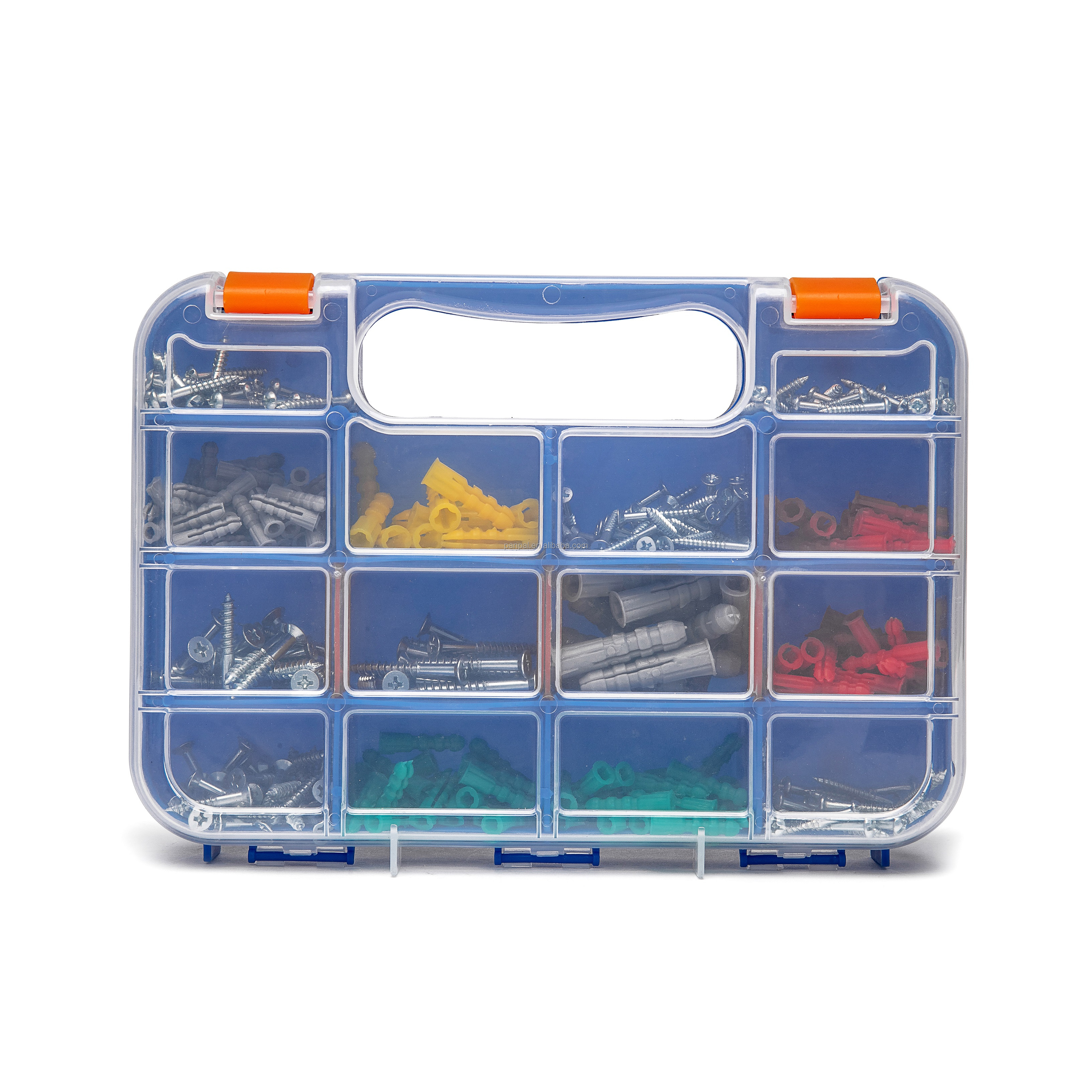
The Critical Role of Wood Screws in Furniture Assembly and Durability
How Screw Materials and Strength Impact Furniture Construction
The type of material used in wood screws plays a big role in how strong and durable the joint will be over time. Stainless steel options can handle about two to three times more sideways pressure compared to those coated with zinc, especially when moisture is involved. The 2023 APA report on wood adhesives backs this up. Brass screws work great for looks because they bend easily, but they won't hold up well in places where there's lots of force, such as the frame of a chair. When working with hard woods, going for hardened steel screws rated at least C40 on the Rockwell scale makes sense. These prevent threads from getting stripped out when things move around, which is why so many tables and chairs fail after years of use.
The Importance of Proper Screw Selection in Preventing Joint Failure
A 2024 Furniture Durability Council study found that 68% of furniture joint failures stem from improper screw selection. Key factors include:
- Length: Screws shorter than 1.5x the thinnest wood layer increase split risk by 42% (Woodworking Safety Institute, 2023)
- Gauge: #8–#10 screws offer optimal grip in cabinet-grade plywoods without splitting
- Thread Type: Coarse-thread screws reduce pullout rates in softwoods by 31% compared to fine threads
Matching screw specifications to material density is critical—MDF requires shorter, sharper screws than solid oak to avoid internal fiber damage, as noted in industry research.
Impact of Screw Choice on Long-Term Furniture Strength and Durability
Tests show that corrosion resistant screws hold onto about 94% of their clamping power even after sitting inside for a decade, which beats regular steel by almost 60% according to research published in the Journal of Wood Science back in 2022. When it comes to outdoor applications, nothing stands up to salt air quite like marine grade 316 stainless steel. These bad boys last roughly eight times longer against rust compared to those cheap galvanized alternatives most people grab off the shelf. Another trick worth knowing is how screws designed with smooth shoulder areas actually spread out the pressure so it doesn't concentrate right at the wood's end grain where splits tend to start forming in heavy duty connections. Brass screws have another advantage too they stay strong through temperature changes between freezing cold and hot summer days much better than other coated metals do, which explains why many craftsmen prefer them for valuable furniture that needs to survive multiple seasons without failing.
Choosing Durable Screw Materials for Indoor and Outdoor Furniture Applications
Material selection determines whether screws preserve furniture integrity or degrade under environmental stress. 304-grade stainless steel resists corrosion 12– longer than galvanized steel in damp conditions (Fastenere 2023), making it essential for moisture-prone settings.
Stainless Steel Screws: Essential for Moisture-Prone and Outdoor Furniture
Outdoor furniture faces rain, humidity, and UV exposure that rapidly degrade weaker metals. Stainless steel’s chromium oxide layer prevents rust and pitting, making it indispensable for patio sets, garden benches, and marine environments.
Corrosion-Resistant Screws for Reliable Indoor Furniture Performance
Indoor furniture benefits from screws resistant to oxidation from humidity and cleaning agents. Zinc-plated steel (5–8 ¼m coating) offers cost-effective protection for cabinets and frames, while brass provides both corrosion resistance and visual appeal for exposed joints in dressers or shelving.
Comparing Steel, Brass, and Coated Alloy Wood Screws for Furniture Assembly
| Material | Corrosion Resistance | Tensile Strength | Best Applications |
|---|---|---|---|
| Stainless Steel | Excellent | 80,000–100,000 psi | Outdoor, high-humidity zones |
| Zinc-Plated Steel | Moderate | 60,000–75,000 psi | Indoor furniture frames |
| Brass | Good | 55,000–65,000 psi | Decorative indoor hardware |
| Coated Alloy | Superior | 90,000–120,000 psi | Production-grade assemblies |
Selecting the right metallurgy ensures long-term performance by preventing joint failure due to fatigue or chemical breakdown.
Matching Screw Size, Gauge, and Thread Type to Wood Type and Load Requirements
Proper screw selection ensures furniture withstands daily use while maintaining structural integrity. A 2022 Woodworking Fastener Council study linked mismatched screws to 62% of joint failures in mass-produced furniture, underscoring the need for precision.
Selecting the Right Wood Screw Diameter (Gauge) for Different Furniture Components
For lightweight components like drawer sides, #6–#8 gauge screws (2.0–3.5mm) minimize splitting. Heavy-duty joints in bed frames or table legs require #10–#14 gauges (4.8–6.3mm) to manage lateral forces. The Woodworking Fastener Council recommends matching screw diameter to 75% of the thinnest wood piece’s thickness for optimal holding power.
Determining Optimal Screw Length for Cabinetry, Frames, and Load-Bearing Joints
Screws should penetrate at least two-thirds of the combined thickness of joined materials. For example, attaching a ¾” cabinet back to a ½” side panel calls for a 1¼” screw. Oversized screws that protrude through surfaces were responsible for 28% of industrial assembly errors.
Coarse vs. Fine Thread Screws: Best Matches for Softwood and Hardwood Assemblies
Coarse-thread screws (14–20 TPI) provide superior grip in porous materials like pine or plywood without stripping. Fine threads (24–32 TPI) are better suited to dense hardwoods such as oak or maple, where they reduce stress concentration. A 2022 joint integrity study showed fine-thread screws improve pullout resistance in hardwoods by 41%.
How to Choose Wood Screw Size Based on Structural Load and Stress Factors
When dealing with shear forces, think about what happens to table legs under stress these situations call for thicker screws that have full threads along their entire length. With tensile forces, like when installing shelves that hang down, longer screws actually work better because they have a section without threads near the head which helps create stronger grip pressure against the wood. Now for those tricky angled joints commonly found in chair construction, most carpenters swear by 4mm diameter screws around 50mm long. These dimensions tend to spread out the weight evenly no matter how the wood grains are oriented, making for sturdier furniture overall.
Screw Head and Drive Types for Secure, Aesthetic, and Long-Lasting Joints
Flat, Oval, and Round Head Screws: Balancing Appearance and Stability in Visible and Hidden Joints
The head style makes a big difference when it comes to how things look and how well they hold up structurally. Flat heads lay flat against surfaces and spread out the pressure pretty evenly across the joint area, which actually boosts the strength by around 18%. Oval shaped heads strike a nice balance between looking good and holding weight, so they work great for those drawer pulls or hinges that people can see but aren't the main focus. Round headed screws are really good for joints that nobody sees, especially in softer woods where they cut down on splitting issues by about 30%, thanks to their wider contact area. When building something that needs extra strength, like a sturdy table frame, combining round heads with some washer plates gives better long term results while still keeping the finished product looking clean and professional.
Drive Types That Prevent Cam-Out and Damage During Installation
The way screw heads are designed makes a big difference when it comes to how reliably they install into materials. Take Phillips head screws for instance they start losing grip strength around 65% of their max torque because of that annoying cam out effect. Torx screws tell a different story though, holding onto about 92% of their torque according to the Fastener Tech Report from last year. Square drive screws, also known as Robertson, sit somewhere in the middle at roughly 85% efficiency. These work particularly well in hardwood applications where standard screws tend to snap off about 40% more often. For manufacturing environments that need versatility, combination drive screws offer the best of both worlds letting workers switch between Phillips and square bit drivers on the fly while still maintaining good control over the fastening process.
Enhancing Joint Integrity and Tool Compatibility With Advanced Drive Systems
Manufacturers these days are really leaning into anti-strip fastening systems such as Torx Plus and Pozidriv because they just work so much better than old school designs. The improvement in how tools engage with these screws is pretty substantial, somewhere around half again what we see with traditional options. When working with materials like particleboard or MDF, these drive types let workers apply torque much more accurately, which means fewer joints coming apart in those flat pack furniture pieces people assemble at home. Some studies show this cuts down on failures by about a third. And when it comes to putting together metal and wood components together, hex drive screws paired with impact drivers can speed things up nearly 30% without sacrificing the depth control needed for consistent results across thousands of units rolling off assembly lines every day.
Innovative Wood Screws for High-Stress, Production, and Flat-Pack Furniture
No Pre-Drill and Anti-Split Wood Screws: Reducing Labor and Material Waste
Screws like the Confirmat design have revolutionized engineered wood assembly by eliminating pre-drilling in MDF and particleboard. Their self-tapping tips and variable thread spacing prevent splitting—the leading cause of waste in flat-pack manufacturing. These features reduce assembly time by 25–30% compared to traditional screws (Furniture Engineering Journal 2024).
High-Strength Construction Screws for Heavy-Duty and Commercial Furniture
Commercial furniture demands fasteners with Rockwell C40+ hardness and durable coatings. Dual-thread designs enable rapid insertion in softwoods while maintaining strong grip in high-load applications like chair frames. Proprietary heat treatments allow these screws to endure 2–3– more shear force than standard hardware.
Engineered Screws for Modular and Flat-Pack Furniture Efficiency
Modular systems rely on micro-threaded screws that maintain alignment through repeated disassembly. Low-profile heads with integrated washers distribute load evenly across thin panels, preventing surface damage during tightening. These innovations address the most common issues in knockdown furniture: loose joints and stripped threads.
Case Study: Reducing Failure Rates in Mass-Produced Furniture with Advanced Screw Systems
A 2024 analysis of 12,000 flat-pack units revealed a 38% reduction in joint failures after switching to thread-forming screw systems. The new design eliminated cross-threading during consumer assembly and improved resistance to vibrational loosening—especially important for furniture shipped over long distances.
FAQ
What factors should I consider when selecting screws for furniture assembly?
Consider the screw material, strength, gauge, length, and thread type based on the furniture's location (indoor vs. outdoor), type of wood, and load requirements.
Why is stainless steel preferred for outdoor furniture?
Stainless steel offers superior corrosion resistance, making it ideal for outdoor applications exposed to moisture, rain, and UV light.
What makes advanced drive systems like Torx and Pozidriv better than traditional screw designs?
Advanced drive systems enhance tool engagement, reduce stripping, and improve torque application, leading to more reliable and durable fastening.
Table of Contents
- The Critical Role of Wood Screws in Furniture Assembly and Durability
- Choosing Durable Screw Materials for Indoor and Outdoor Furniture Applications
-
Matching Screw Size, Gauge, and Thread Type to Wood Type and Load Requirements
- Selecting the Right Wood Screw Diameter (Gauge) for Different Furniture Components
- Determining Optimal Screw Length for Cabinetry, Frames, and Load-Bearing Joints
- Coarse vs. Fine Thread Screws: Best Matches for Softwood and Hardwood Assemblies
- How to Choose Wood Screw Size Based on Structural Load and Stress Factors
- Screw Head and Drive Types for Secure, Aesthetic, and Long-Lasting Joints
-
Innovative Wood Screws for High-Stress, Production, and Flat-Pack Furniture
- No Pre-Drill and Anti-Split Wood Screws: Reducing Labor and Material Waste
- High-Strength Construction Screws for Heavy-Duty and Commercial Furniture
- Engineered Screws for Modular and Flat-Pack Furniture Efficiency
- Case Study: Reducing Failure Rates in Mass-Produced Furniture with Advanced Screw Systems
- FAQ
- What factors should I consider when selecting screws for furniture assembly?
- Why is stainless steel preferred for outdoor furniture?
- What makes advanced drive systems like Torx and Pozidriv better than traditional screw designs?