 EN
EN

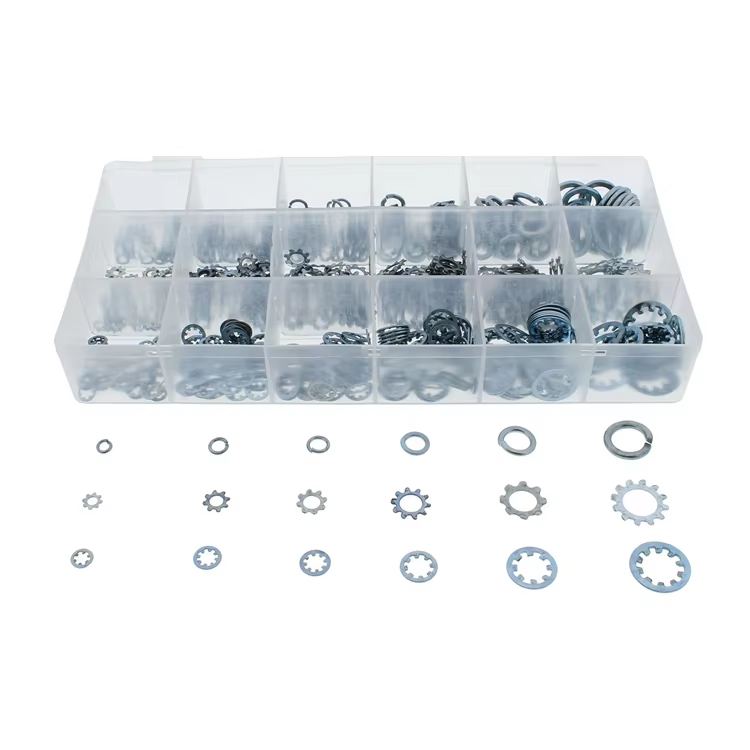
Understanding the Function and Mechanical Advantages of Stainless Steel Spring Washers
What Is a Stainless Steel Spring Washer and How Does It Function?
Stainless steel spring washers keep bolts tight because they have that special cone or wavy shape that gives them springiness. When things heat up and expand, these washers take care of the extra space while also soaking up any shaking or vibration that might otherwise loosen everything up. Take car suspensions as just one instance where this matters a lot. The washers actually bend when pressure comes on them, spreading out the force instead of letting it all go to one spot. They stand up pretty well to constant motion too since they don't wear down so fast. Regular flat washers just can't do this same job properly. Their flat shape means they lose grip over time especially when metals get hot then cool down repeatedly during normal operation.
Key Mechanical Properties That Define Performance
Stainless steel spring washers deliver reliability through three core properties:
- High tensile strength grade 316 exceeds 700 MPa, resisting deformation under heavy loads.
- Elastic modulus of 190 GPa enables predictable springback after compression.
- Fatigue resistance supports over 10,000 load cycles in high-vibration settings like industrial pumps.
These characteristics make them 50% more durable than carbon steel fasteners in corrosive environments, based on material performance benchmarks.
Load Distribution and Vibration Resistance in Dynamic Applications
When it comes to wind turbine assembly work, those stainless steel spring washers make a real difference. According to some research from Renewable Energy Systems back in 2023, they cut down on bolt loosening problems by about 72% when compared with regular non-spring options. The secret lies in their curved shape which helps distribute pressure across the entire surface area, so there's less chance of stress building up at specific points on the flange connections. Marine engine applications really benefit from this feature since these environments deal with constant vibrations plus the harsh effects of saltwater all day long. What we need here isn't just something tough enough to withstand physical stress but also materials that won't corrode easily over time either.
Corrosion Resistance and Long-Term Durability in Demanding Environments
Why Corrosion Resistance Matters in Harsh Industrial, Marine, and Chemical Settings
Stainless steel spring washers hold up much better where there's lots of moisture, harsh chemicals around, or salt in the air these are exactly the kinds of conditions that eat away at regular fasteners over time. Take a look at what happens on offshore drilling rigs or inside chemical processing facilities corrosion doesn't just cause problems it actually leads to failed joints, creates serious safety risks, and throws entire operations into chaos because of unexpected breakdowns. According to some recent data from the Metals Performance Index back in 2023, equipment located near coastlines needed about 70 percent less replacement work when made with materials that resist corrosion. What makes stainless steel so good for this job? Well, it has this protective layer formed by chromium that helps prevent rust even under heavy loads something manufacturers really need to consider when designing long lasting mechanical systems.
Stainless Steel vs. Carbon Steel and Other Alloys: A Performance Comparison
Carbon steel rusts rapidly in humid or acidic conditions, while stainless steel grades 304 and 316 maintain structural integrity due to:
- Superior oxidation resistance 10x slower degradation in salt spray tests
- Temperature stability from -20°C to 400°C without embrittlement
- Reduced maintenance costs with a 3–5-year longer service life than galvanized steel
For chloride-rich environments like offshore wind farms, 316 stainless steel offers 50% better pitting resistance than standard alloys, per ASTM corrosion testing protocols.
Case Study: Long-Term Reliability in Marine and Chemical Processing Equipment
A recent audit at an oil refinery back in 2022 revealed something interesting about materials performance. The study showed that those 316 stainless steel spring washers kept about 98% of their original load capacity even after sitting in sulfuric acid and seawater for eight whole years. Compare that to carbon steel versions which couldn't last much longer than 18 months before needing replacement. And when they did fail? That cost the company around $220,000 for unexpected parts changes. These findings line up pretty well with broader industry trends too. According to the Industrial Maintenance Report from last year, switching to stainless steel fasteners can cut down on lifetime expenses by roughly 34% when dealing with environments where corrosion is a constant problem.
Material Selection and Engineering Considerations for Optimal Performance
Common Stainless Steel Grades in Spring Washers: 304, 316, and 17-7 PH
How well a stainless steel spring washer works really comes down to picking the right material for the job. Grade 304 is pretty standard stuff offering decent rust protection and flexibility, which makes it work okay for most everyday applications around workshops or factories. When things get serious though, Grade 316 steps in with that extra bit of molybdenum content. This gives it much better defense against saltwater damage and acidic conditions, so people working near oceans or handling chemicals tend to reach for this one. For those extreme situations where parts need to handle massive stress without breaking down over time, there's 17-7 PH. As a precipitation hardening alloy, it packs incredible strength and can take repeated loads without failing, which explains why aircraft manufacturers and heavy machinery builders rely on it so much. Getting the grade selection right isn't just about specs on paper either—it directly affects how long equipment lasts before needing replacement and whether components will hold up under actual operating conditions.
Balancing Strength, Elasticity, and Temperature Resistance
Stainless steel spring washers need to strike just the right balance between strength, how much they can stretch back, and staying stable when temperatures change. For really tough conditions, high tensile alloys such as 17-7 PH hold up pretty well under massive stress. The austenitic types like 304 and 316 are different though they keep their flexibility even after repeated stretching and compressing cycles. What material gets picked makes all the difference for how long these components last before failing, particularly when exposed to extreme heat or cold. Some testing shows that better quality alloys can outperform regular ones by around 30% over time in stressful situations. Getting this right matters a lot in industries where failure isn't an option, whether it's in car manufacturing, heavy machinery on factory floors, or equipment used in oil and gas operations where reliability is absolutely critical.
Growing Use of High-Performance Alloys in Aerospace and Critical Applications
The need for top quality stainless steel alloys keeps growing across industries like aerospace, medicine, and renewable energy because companies face tougher requirements when it comes to safety and getting better performance from their equipment. These advanced alloys pack more nickel and chromium which helps them hold up against super hot conditions and nasty chemical environments found inside things like jet engines or space satellites. Looking at what's happening in the skies right now, reports indicate that usage of special grades like 17-7 PH and various martensitic steels jumped by around 22% after 2022. That makes sense since these materials actually cut down on how often parts need replacing and lower the chances of catastrophic failures during operation. Manufacturers are constantly tweaking formulas and production methods too, pushing boundaries so these metals can handle even tougher jobs in the future.
Critical Applications Across Automotive, Industrial, and Renewable Energy Sectors
Automotive Uses: Suspension, Engine, and High-Vibration Systems
The stainless steel spring washers used in cars are really important for dampening vibrations throughout the vehicle. When it comes to engines specifically, these washers keep bolts tight even when subjected to those repetitive forces reaching around 120 kN per square meter according to SAE International's findings from last year. This helps prevent bolts from coming loose in critical areas like turbochargers and transmission parts where failure could be catastrophic. Looking at suspension systems now, the way these washers deform elastically between 0.2 and 0.6 millimeters actually does a great job soaking up bumps on the road. Plus they stand up much better against corrosion caused by road salt compared to regular carbon steel washers. For vehicles operating in colder climates where road salts are commonly used, this resistance makes stainless steel washers a far superior choice despite their higher initial cost.
Industrial Machinery: Maintaining Joint Integrity Under Continuous Vibration
When it comes to industrial presses and conveyors running between 800 and 1,200 RPM speeds, stainless spring washers cut down on maintenance requirements by around 37 percent when we compare them to regular flat washers according to Machinery Lubrication from 2024. These washers have this special property called work hardening which helps maintain proper clamping force even in tough conditions like roller bearings and gearboxes subjected to vibrations ranging from 15 to 25g. A real world example comes from a petrochemical facility where they saw an incredible 92% reduction in flange joint problems once they started using grade 316 washers for their pump assemblies. This kind of performance makes these components essential for maintaining reliability in vital parts of manufacturing operations.
Renewable Energy Case Study: Custom Spring Washers in Wind Turbine Assemblies
Specialized 17-7 PH stainless spring washers handle extreme temperature changes ranging from minus 40 degrees Celsius all the way up to 150 degrees Celsius inside those massive offshore wind turbines. After going through 10 million load cycles, they still manage to keep about 85% of their original tension. A major offshore wind farm recently saw some impressive results when switching to these washers. Blade bearing replacements sped up by nearly a quarter, which is pretty significant given how much downtime costs in maintenance operations. Plus, there was no more galvanic corrosion problems where different metals come together in the assembly. The whole installation actually passed the strict ISO 20485:2025 requirements for marine fastening systems, something that shows just how important stainless steel components are becoming in building out our renewable energy future.
Customization, Innovation, and Future Trends in Stainless Steel Spring Washer Solutions
Tailoring Dimensions, Load Ratings, and Finishes for Specific Applications
Today's stainless steel spring washer options really focus on being tailored to specific job requirements. When engineers need these components, they tweak things like how thick they are (usually between half a millimeter and three millimeters), their outer size which can range from four to fifty millimeters, and apply special finishes such as passivation or electropolishing. These modifications help spread out pressure better and fight off rust over time. Take wind turbine installations where constant vibration is a big issue. More and more technicians are going with Belleville style washers that have those radial grooves because they just hold onto surfaces better under tough conditions. Looking at industry trends, recent market reports suggest we'll see around 14.6 percent growth each year for custom made stainless steel fasteners. The main drivers behind this trend? Growing needs in both aerospace engineering and the renewable energy field where reliability matters most.
Advanced Manufacturing: Laser Cutting and CNC Forming for Precision
Modern laser cutting combined with CNC forming allows manufacturers to achieve incredible precision when making washers, down to the micron level. Compared to older stamping techniques, these advanced methods slash material waste by roughly 30%. What's more important is that they keep the spring rate pretty consistent too, usually within about 5% variation between different production runs. For specialized applications like aerospace fuel systems, laser technology can produce 17-7 PH washers with tolerances as tight as 0.02 mm. When companies pair these cutting-edge processes with automated quality checks, the results speak for themselves. Industry defect rates have dropped dramatically to just 0.3% overall, per the latest Stainless Steel Washers Market Report from 2024. This kind of accuracy isn't just impressive on paper it actually makes a real difference in performance and reliability across various industrial applications.
Future Outlook: Smart Fastening Systems and IoT-Enabled Monitoring
New smart fastening systems equipped with built-in strain sensors are now being tested across various industries to track tension changes and vibrations in important connection points. These special washers work with internet-connected platforms and will send out warnings when the pressure drops too low, which could save companies around 40 percent in unexpected shutdown costs at chemical facilities. At the same time, engineers are experimenting with coatings made from nickel-based super alloys that hold up better in temperatures above 800 degrees Celsius. This matches what we're seeing in modern manufacturing practices where predicting equipment failures before they happen matters just as much as making sure things keep running smoothly even under harsh conditions.
FAQ Section
What are the key benefits of stainless steel spring washers?
Stainless steel spring washers provide high tensile strength, elasticity, and fatigue resistance, making them ideal for environments with high vibration and corrosive elements.
Why is corrosion resistance important for spring washers?
Corrosion resistance ensures the longevity and reliable functionality of washers, especially in harsh industrial, marine, and chemical settings where corrosion can lead to failed joints and safety risks.
How do stainless steel spring washers compare to carbon steel washers?
Stainless steel washers are superior to carbon steel as they rust less in humid or acidic conditions and maintain structural integrity over a longer period. They also offer better resistance to pitting and reduced maintenance costs.
Table of Contents
- Understanding the Function and Mechanical Advantages of Stainless Steel Spring Washers
- Corrosion Resistance and Long-Term Durability in Demanding Environments
- Material Selection and Engineering Considerations for Optimal Performance
- Critical Applications Across Automotive, Industrial, and Renewable Energy Sectors
- Customization, Innovation, and Future Trends in Stainless Steel Spring Washer Solutions
- FAQ Section